Nims Tablet: Uses, Side Effects, Dosage and Precautions
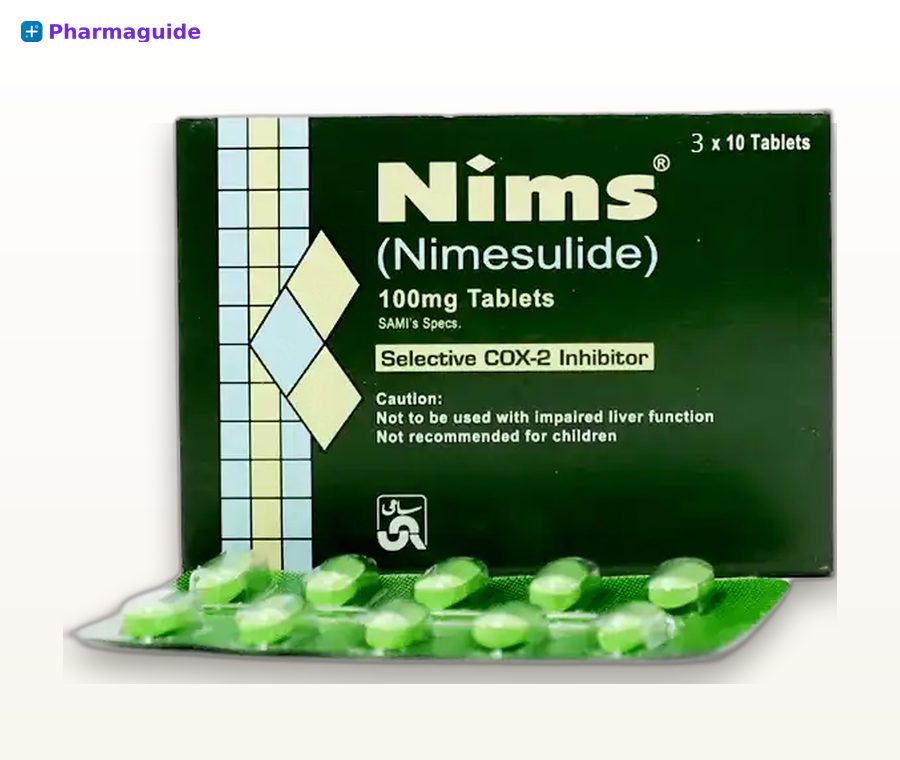
Nims is a painkiller tablet found in medicine cabinets across Pakistan, and nims tablet uses is one of the most common painkiller searches online. Nims contains nimesulide, a non-steroidal anti-inflammatory drug (NSAID) used for short-term pain and fever. It is also a medicine with an unusual international story: because of concerns about liver injury, nimesulide has been restricted, withdrawn or never approved in a number of countries, while remaining available — prescription-only — in Pakistan. This guide explains its uses honestly, together with the safety limits that regulators attach to it.
Important note: This article is for general information only and is not medical advice. Always consult your doctor or pharmacist before using any medicine. Nims is a prescription-only medicine in Pakistan.
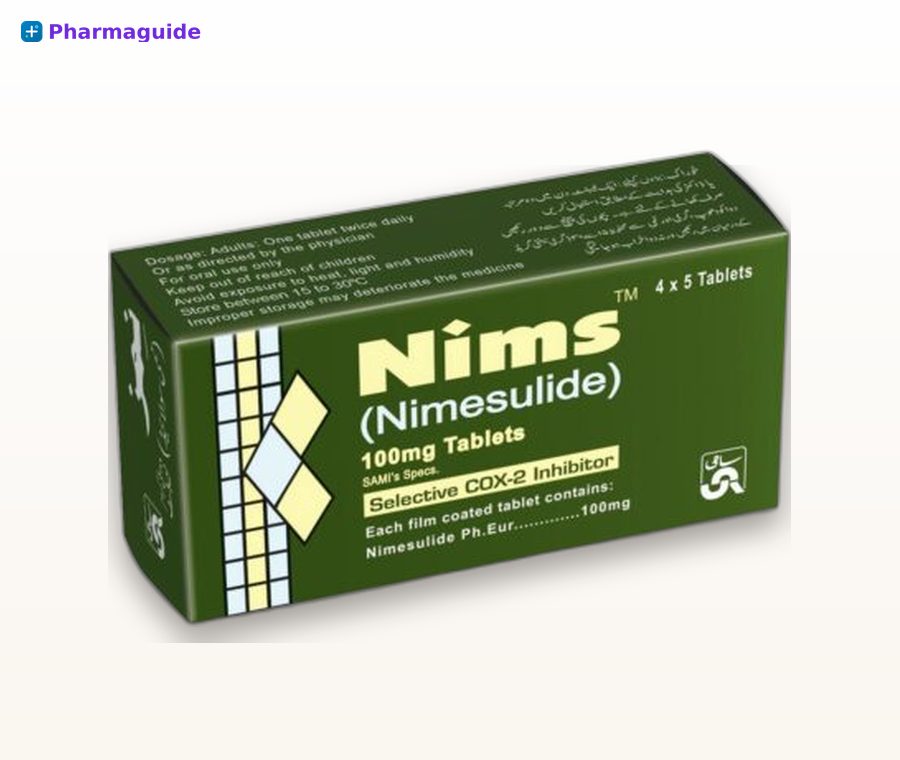
What Is Nims Tablet?
Nims is a brand name for nimesulide, an NSAID that preferentially blocks the COX-2 enzyme involved in pain and inflammation. Each Nims tablet generally contains 100 mg of nimesulide. Nimesulide has been marketed in many countries since the 1980s, but its safety record — in particular rare cases of serious liver damage — led regulators in several countries to remove it from the market or restrict it to very short-term use. In Pakistan it remains a licensed, prescription-only medicine, commonly dispensed for acute pain and fever.
Nims Tablet Uses
The nims tablet uses described in standard references and product information are short-term ones:
- Acute pain: such as pain after dental work, minor injuries, or musculoskeletal pain.
- Painful osteoarthritis: short-term relief of joint pain symptoms.
- Primary dysmenorrhoea: period pain.
- Fever: nimesulide also lowers fever, and in Pakistan it has traditionally been used for this purpose as well — though doctors weigh the liver-safety discussion below when choosing a fever medicine, especially for children.
European regulators concluded that nimesulide should only be used for acute pain and period pain, for the shortest possible time and no longer than 15 days. It is not a medicine for long-term daily pain control. Readers comparing painkillers may also find our guides to Synflex tablet uses and Arinac tablet uses helpful, and for understanding body temperature itself, see our article on excessive body heat: causes, symptoms and how to reduce it.
How Nims Works
When tissue is injured or inflamed, the body produces prostaglandins — chemicals that cause pain, swelling and fever. Nimesulide reduces prostaglandin production by blocking cyclo-oxygenase enzymes, particularly COX-2. With fewer prostaglandins, pain eases, inflammation settles and temperature falls. The same prostaglandin system, however, also protects the stomach lining, supports the kidneys and — importantly for nimesulide — the drug's breakdown products can stress the liver in rare cases, which is why duration limits matter so much with this medicine.
Dosage Information
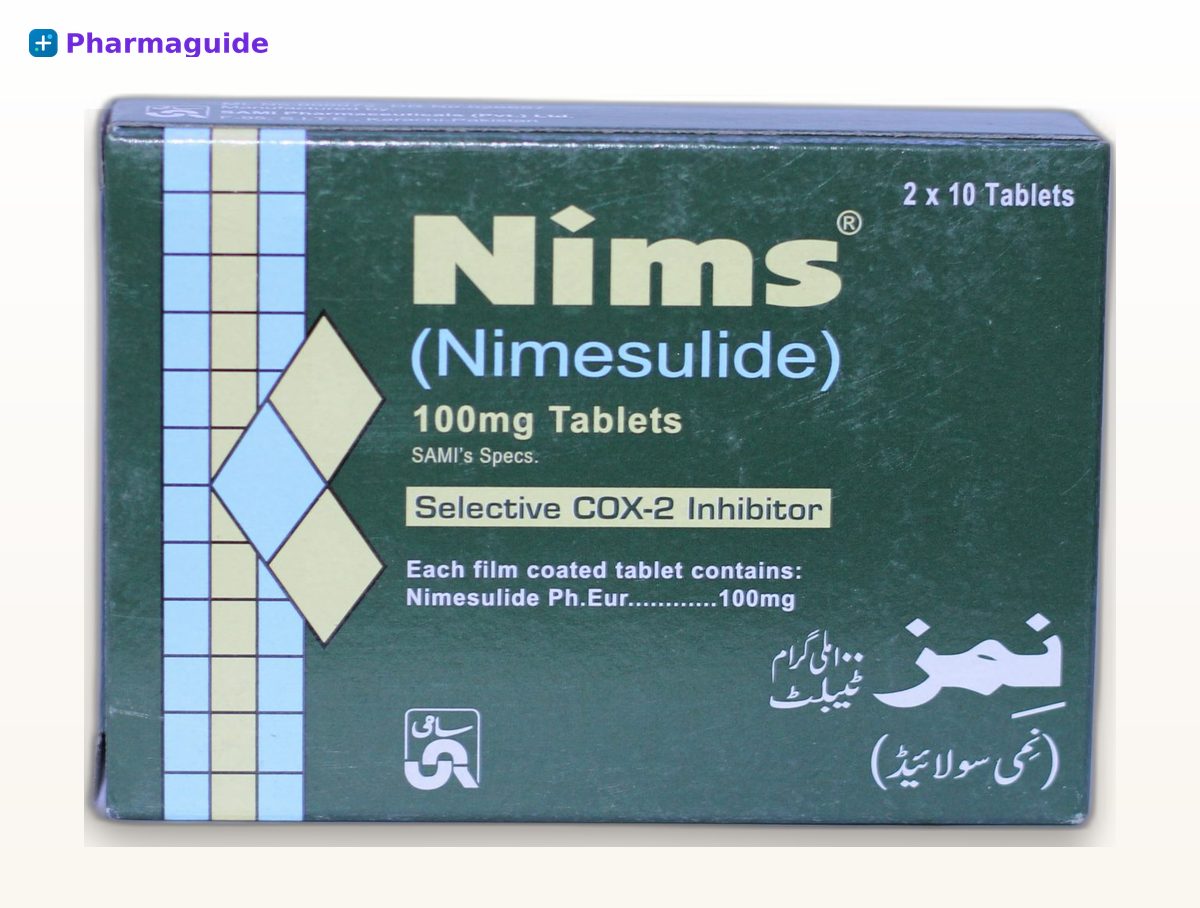
The following is general information found in standard references and product leaflets — the dose your doctor prescribes for you comes first and may differ. Leaflets commonly describe nimesulide 100 mg twice daily, taken after food, for the shortest possible period. European regulatory guidance caps treatment at a maximum of 15 days. Nimesulide should not be combined with other NSAID painkillers, and many references advise against its use in children under 12 years of age. Never extend a course on your own because pain persists — persistent pain needs medical review, not more tablets.
Side Effects of Nims
Common side effects
As with other NSAIDs, the most frequent effects are stomach-related: nausea, diarrhoea, heartburn and stomach discomfort. Dizziness and headache are also reported. Taking the tablet after food, as leaflets describe, may reduce stomach upset.
Less common and serious side effects
The most serious concern with nimesulide is liver injury, which is rare but can be severe. Warning signs include yellowing of the eyes or skin (jaundice), dark urine, unusual tiredness, itching and pain in the upper right abdomen — anyone noticing these should stop and seek medical care promptly, and tell the doctor about the medicine. Other serious NSAID effects include stomach bleeding (vomiting blood or black stools), kidney problems, severe skin reactions and allergic reactions including breathing difficulty. These need urgent attention.
Precautions: Who Should Avoid Nims?
Nimesulide should be avoided by people with liver disease, those who drink alcohol heavily, and anyone who has previously reacted badly to it. Caution is needed in people with stomach ulcer history, heart failure, kidney problems, asthma sensitive to NSAIDs, and in the elderly. It should be avoided in the later stages of pregnancy and while breastfeeding unless a doctor specifically advises otherwise, and many references advise against use in children under 12. Tell your doctor about blood thinners, other painkillers, and any liver-affecting medicines you take. Because of its liver profile, some patients are better served by alternatives such as paracetamol — a decision for the prescriber, not the patient.
How to Store Nims
Store at room temperature away from moisture and sunlight, in the original strip, and out of children's reach. Do not use tablets past their expiry date, and do not keep leftovers for the next illness without medical advice.
Frequently Asked Questions
Is Nims banned?
Nimesulide is not banned in Pakistan, where it is a licensed prescription medicine. However, it has been withdrawn, restricted or never approved in several other countries — including the United States, United Kingdom, Canada and parts of Europe — mainly because of rare liver injury. European regulators who kept it available limited it to short courses of no more than 15 days.
Why is Nims only meant for short-term use?
The risk of liver and stomach side effects rises with dose and duration. Regulators therefore advise the lowest dose for the shortest time that controls symptoms.
Can Nims be taken for fever?
Nimesulide does reduce fever, and fever is among the traditional nims tablet uses in Pakistan. Even so, fever in children in particular should be assessed by a doctor, and many references advise against nimesulide in younger children.
Is Nims stronger than paracetamol?
They are different types of medicine: nimesulide is an anti-inflammatory painkiller, while paracetamol relieves pain and fever without anti-inflammatory action and with a different safety profile. Which one suits a particular person and condition is a decision for a doctor or pharmacist who knows their history.
For pack sizes, prices and full product information, see the Nims medicine page on Pharmaguide.
Disclaimer
This article is for general information only and is not medical advice. It does not replace the judgment of a registered medical practitioner. Always consult your doctor or pharmacist before using any medicine, and seek care from a registered medical practitioner in Pakistan for diagnosis and treatment of any health condition. Nims (nimesulide) is a prescription-only medicine.