Prunes and Prune Juice: Benefits for Constipation, Nutrition and Side Effects
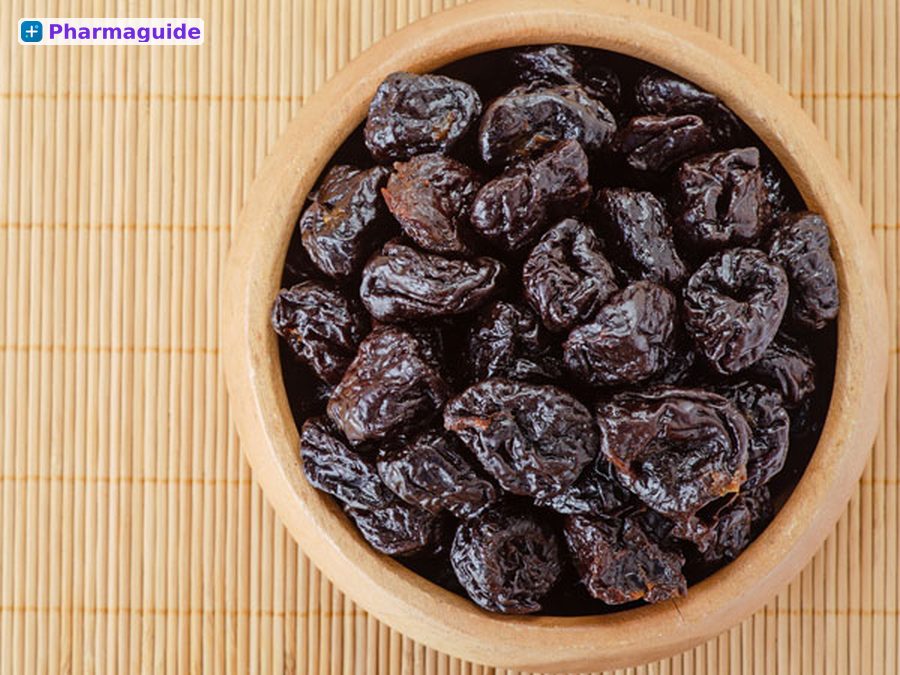
Few natural remedies are as famous as the prunes prune juice and warm-water routine for a sluggish stomach. Prunes are simply dried plums — the same aloo bukhara that turns up in biryani and chutneys — and both the whole fruit and its juice have a long record of gently helping the bowels move. This article explains why they work, what nutrients they offer, how much people typically eat or drink in general terms, and the side effects to watch for.
This article is for general information only and is not medical advice. For advice about your own health, please consult a registered medical practitioner.
Why Prunes Help: Fibre, Sorbitol and Water
Prunes help constipation through teamwork. Their fibre adds bulk to the stool, while a natural sugar alcohol called sorbitol draws water into the bowel, softening the stool and encouraging movement. Plant compounds in the fruit may also nudge the gut along. If the word itself is new to you, our explainer on constipation meaning in urdu covers what constipation means and when it needs medical attention. Unlike harsh stimulant remedies, prunes tend to work gently over a day or two — one reason they are a first home step for many families.
Prunes Prune Juice and Nutrition: What Is Inside
Beyond their famous effect, prunes are genuinely nutritious. They provide potassium, which supports normal blood pressure as part of a balanced diet, and vitamin K, which the body needs for normal blood clotting and bone health. They also supply small amounts of iron, magnesium and B vitamins, plus protective plant compounds. A dried plum keeps for months in a kitchen jar, travels well in a lunch bag, and needs no preparation — one reason dried fruit has always been the traveller's food in this region. The fibre that helps the bowels also slows down how quickly their natural sugars are absorbed, so a modest portion eaten as part of a meal is gentler on blood sugar than the same sweetness drunk as juice. The trade-off is natural sugar and calories: a handful of prunes carries roughly the sugar of the fresh plums it came from, concentrated into a much smaller volume, which is why portions matter — especially for people watching their blood sugar.
How Much Is a Typical Portion?
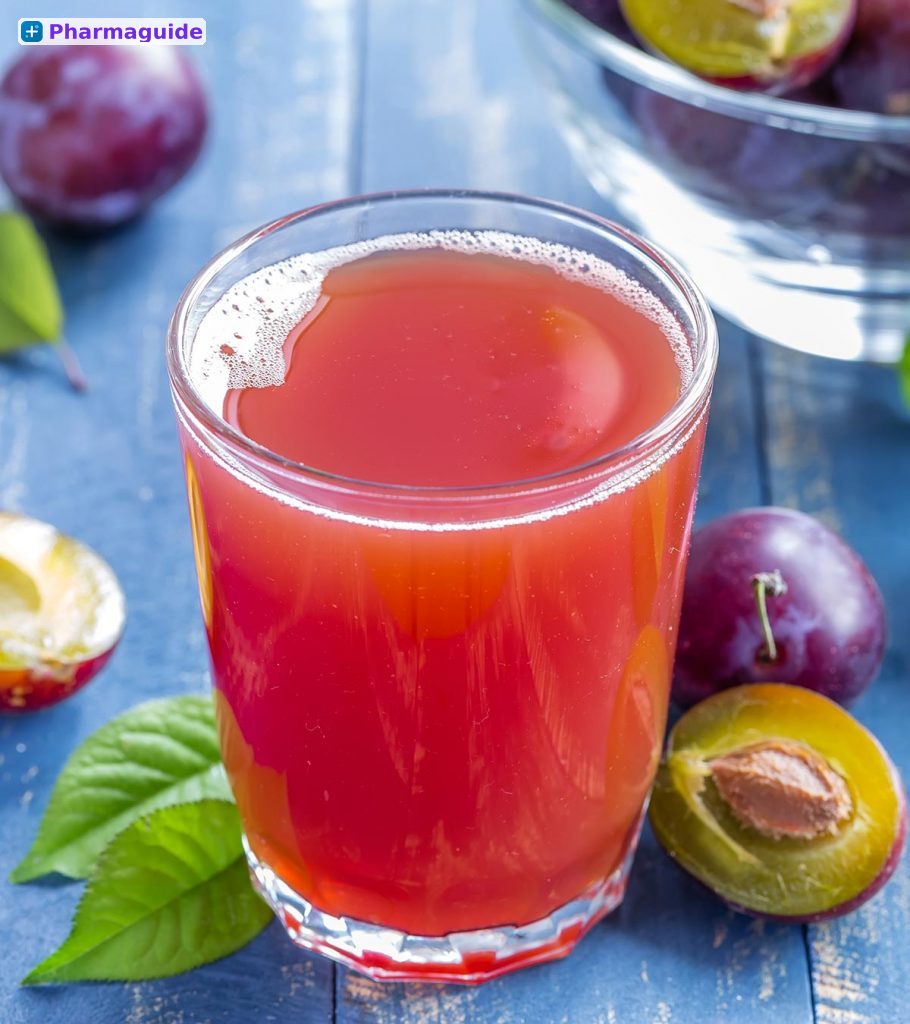
As general information found in standard references, a typical serving is a small handful of prunes — around four to six pieces — or a small glass of juice of about 120 ml. Shops across Pakistan stock prunes prune juice and dried fruit side by side, so either is easy to find for a daily routine. If you are new to them, start with less and give your gut a few days to adjust, and drink water alongside, since fibre works best when it can absorb fluid. More is not automatically better; doubling the portion usually doubles the side effects, not the benefit.
Whole Prunes vs Prune Juice: The Fibre Difference
The biggest difference between the two forms is fibre. Juicing removes most of it, so a glass of prune juice keeps the sorbitol but loses the bulk that whole prunes provide. For gentle, all-round support, the whole fruit has the edge. Juice still has its place: it suits people who find chewing difficult, mixes easily into drinks, and is often easier to give to older family members. Stewing whole prunes gently in a little water is a middle road — the fruit softens, the liquid becomes a light syrup, and nothing is thrown away. A few stewed prunes with unsweetened yoghurt make a breakfast that many people find keeps them regular without any fuss. Whichever form you choose, check the label — some juices are sweetened further or blended with other juices, which changes the sugar content considerably.
Prunes in the Pakistani Kitchen
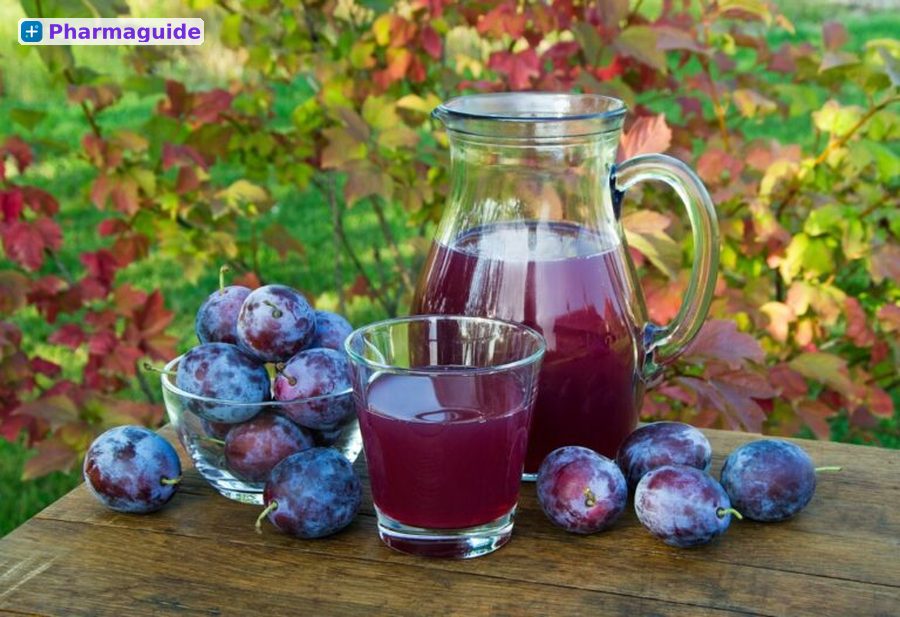
Long before prunes were a health food abroad, aloo bukhara was a pantry staple here. It is simmered into the sweet-sour chutneys served with biryani and pulao, folded into meat dishes for a gentle tang, and soaked for summer drinks. Cooks reach for prunes prune juice and the whole dried fruit for different jobs: the juice for sherbets and quick drinks, the fruit for the pot. Dried plums keep well through the hot months when fresh fruit spoils quickly, and a small bowl of them with nuts remains a classic offering for guests. If you enjoy them cooked, remember that a prune eaten in a rich dish still counts towards your day's fruit and sugar, just like one eaten plain.
Side Effects and Who Should Be Careful
The same actions that make prunes helpful can overshoot. Too many at once commonly cause gas, bloating and cramps, and a generous portion may loosen the stool more than intended. People with diabetes should count prunes and their juice within the eating plan their doctor has set, because the natural sugars are concentrated. A long-standing Pakistani habit that pairs naturally with prunes is chewing fennel seeds (saunf) after meals, traditionally used to settle the stomach. Constipation that comes with severe pain, vomiting, blood in the stool or unexplained weight loss is not a job for home remedies — it needs a doctor promptly.
Disclaimer
This article is for general information only and is not a substitute for professional medical advice, diagnosis or treatment. If digestive symptoms persist or worry you, please consult a registered medical practitioner in Pakistan rather than relying on home remedies. In an emergency, call Rescue 1122.