Frankincense (Loban): Benefits, Uses of the Oil and Resin, and Side Effects
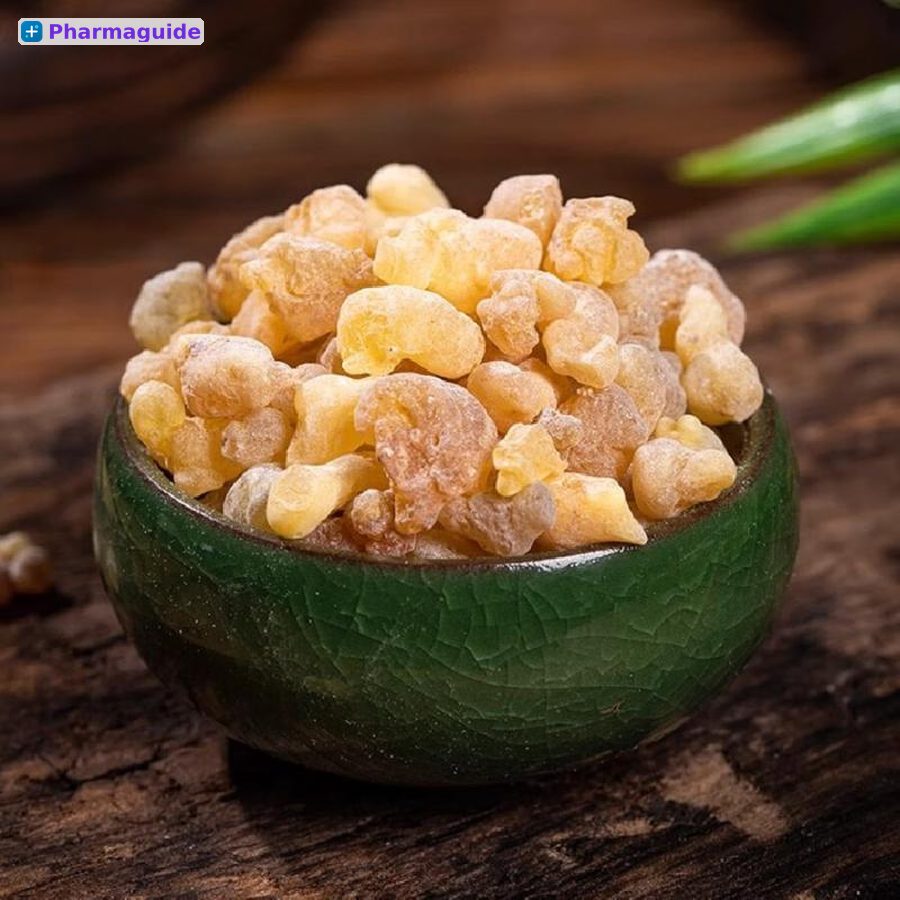
Oliban frankincense — called loban in most Pakistani homes — is the golden, tear-shaped resin of the Boswellia tree, prized for centuries as incense, fragrance and a traditional remedy. Burned on hot coals it fills a room with a warm, woody scent; ground into modern extracts, it is sold today for joint comfort. This article explains what loban is, how it has traditionally been used, what current research actually says, and the safety points worth knowing before you use its oil or extracts.
This article is for general information only and is not medical advice. For advice about your own health, please consult a registered medical practitioner.
What Is Oliban Frankincense (Loban)?
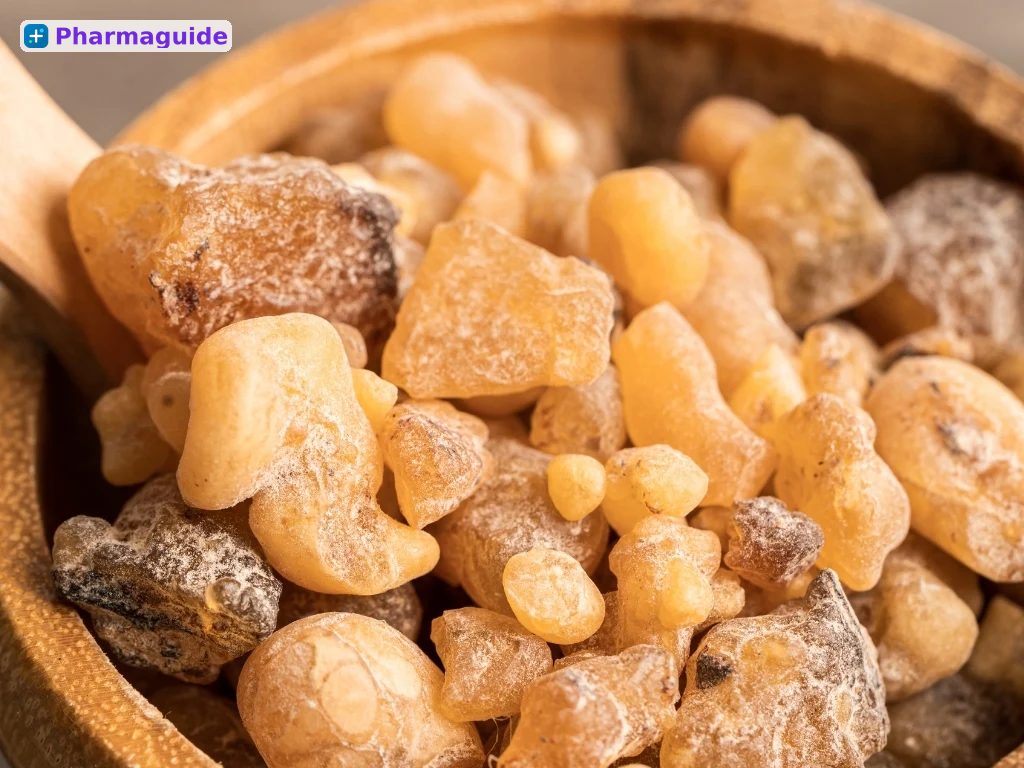
Frankincense comes from Boswellia trees that grow in dry, rocky country — Oman, Yemen and Somalia are famous sources, and related species grow in India. Harvesters cut shallow marks in the bark and return weeks later to collect the hardened droplets, or "tears", of resin that have oozed out. Good tears are pale gold, break cleanly and carry a fresh, lemony-pine smell when warmed. In local markets loban is sometimes confused with other resins burnt for fragrance, so what you are buying is not always the genuine article.
Traditional Uses: Dhooni, Fragrance and Comfort
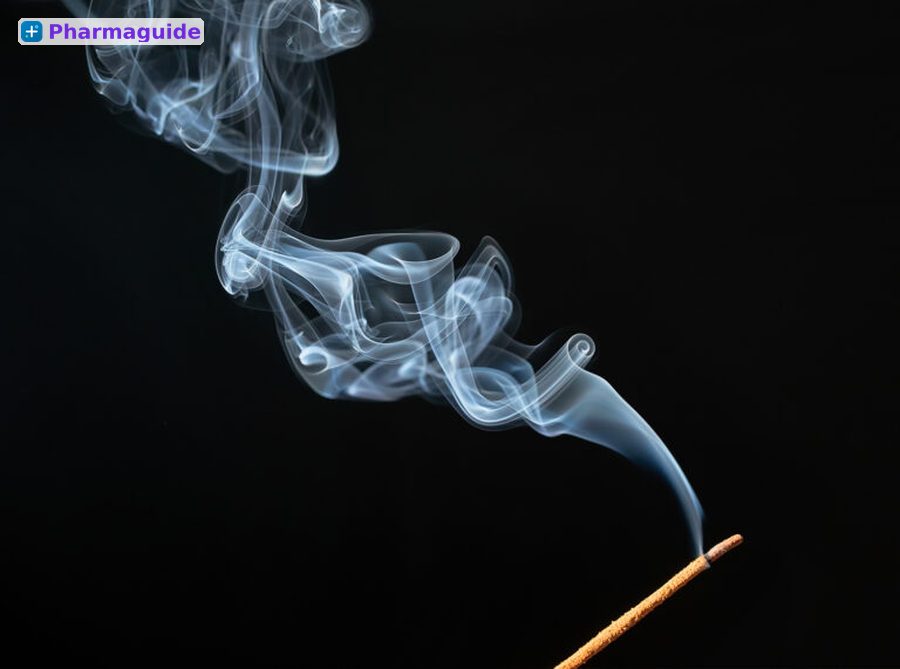
The oldest use of frankincense is as incense. Families burn loban on coals as dhooni to perfume the home, welcome guests and mark religious occasions, and the smoke has traditionally been believed to clear the air and lift the mood. In many homes the ritual is weekly: the burner is carried from room to room so the fragrance reaches the curtains and bedding, and elders in particular associate the scent with cleanliness and blessing. Travellers carried the resin along the same trade routes as silk and spices, which is why it appears in the home traditions of Arabia, Persia and the subcontinent alike. Beyond fragrance, traditional systems of medicine in the region have long used Boswellia preparations for stiff, aching joints and for chest comfort, and loban paste or oil appears in old home remedies for minor aches. These traditions explain its popularity, though traditional use on its own does not prove that a remedy works.
Joint Comfort: What the Evidence Actually Says
Modern interest centres on boswellic acids, compounds in the resin that may calm some of the body's inflammatory pathways. Standardised Boswellia extracts have been tested in people with knee discomfort, and some studies suggest modest improvements in pain and stiffness over a few weeks. Researchers are also looking at whether these extracts help people stay active for longer, since comfortable knees usually mean more walking, and more walking helps weight, mood and blood sugar in ways no supplement can copy. Larger and longer trials are still needed before firm conclusions can be drawn, and results vary between products because extracts are not all made to the same strength. The honest summary is that the evidence is promising but still limited — studies are often small or short — and effects, when they appear, are gentle rather than dramatic. Frankincense is not a substitute for proper arthritis treatment, and joint pain that persists, swells or limits movement deserves assessment by a doctor, who can check for conditions that need specific care.
Oil, Resin and Extract: The Forms Explained
The raw resin is the form used for burning, and in some traditions small pieces are chewed — a practice worth approaching cautiously, since market resin is not prepared as a food. The essential oil is steam-distilled from the resin and used for fragrance and in diluted form on the skin. Like oil of oregano, frankincense essential oil is highly concentrated and should be diluted before it touches the skin, never swallowed casually. Capsules of oliban frankincense extract are the form used in most modern studies, standardised so each capsule carries a known share of boswellic acids.
Side Effects and Safety
Used as incense or as a diluted oil, frankincense is generally well tolerated, though the smoke can bother people with asthma and undiluted oil may irritate sensitive skin — a small patch test first is sensible. If you burn loban indoors, a little ventilation afterwards keeps the lingering smoke from irritating anyone's chest, and coals should always be fully cold before they are thrown away. Extracts taken by mouth can cause stomach upset, nausea or loose stools in some people. Medicinal amounts are best avoided in pregnancy, because safety data are lacking. Because Boswellia may interact with some anti-inflammatory and other regular medicines, anyone on long-term prescriptions should mention it to their doctor before starting an extract.
Buying Loban Without Getting Cheated
Adulteration is common in the resin trade: cheaper resins and even pieces of gum are mixed in to stretch a batch. Buy from an attar or herbal seller you trust, choose clean tears with few dark specks, and test the smell — genuine oliban frankincense gives a clean, bright, slightly citrus fragrance when burned, not a harsh chemical one. The same buying care applies to other traditional ingredients, as our guide to cinnamon in urdu shows for everyday spices. Store resin in a closed jar away from heat so its fragrance lasts.
Disclaimer
This article is for general information only and is not a substitute for professional medical advice, diagnosis or treatment. Traditional remedies can interact with prescribed medicines, so please consult a registered medical practitioner in Pakistan before using them for a health problem. In an emergency, call Rescue 1122.