Guarana: Benefits, Caffeine Content, Dosage and Side Effects
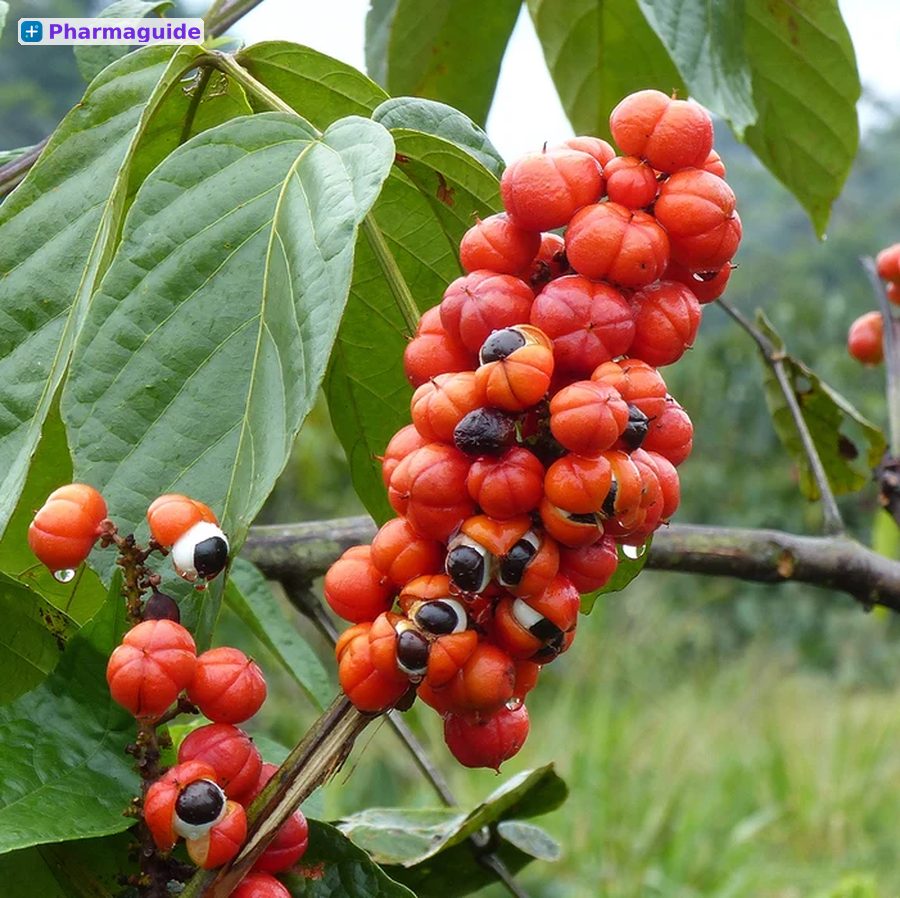
Guarana is a climbing plant native to the Amazon basin, and its seeds pack a quiet surprise: gram for gram, they hold more caffeine than coffee beans. Ground into powders, folded into energy drinks and sold in capsules, the ingredient promises sharper focus and longer-lasting energy. This article explains what it is, how much caffeine it really delivers, which of its claimed benefits hold up, and who should steer clear of it.
This article is for general information only and is not medical advice. For advice about your own health, please consult a registered medical practitioner.
What Is This Amazonian Seed?
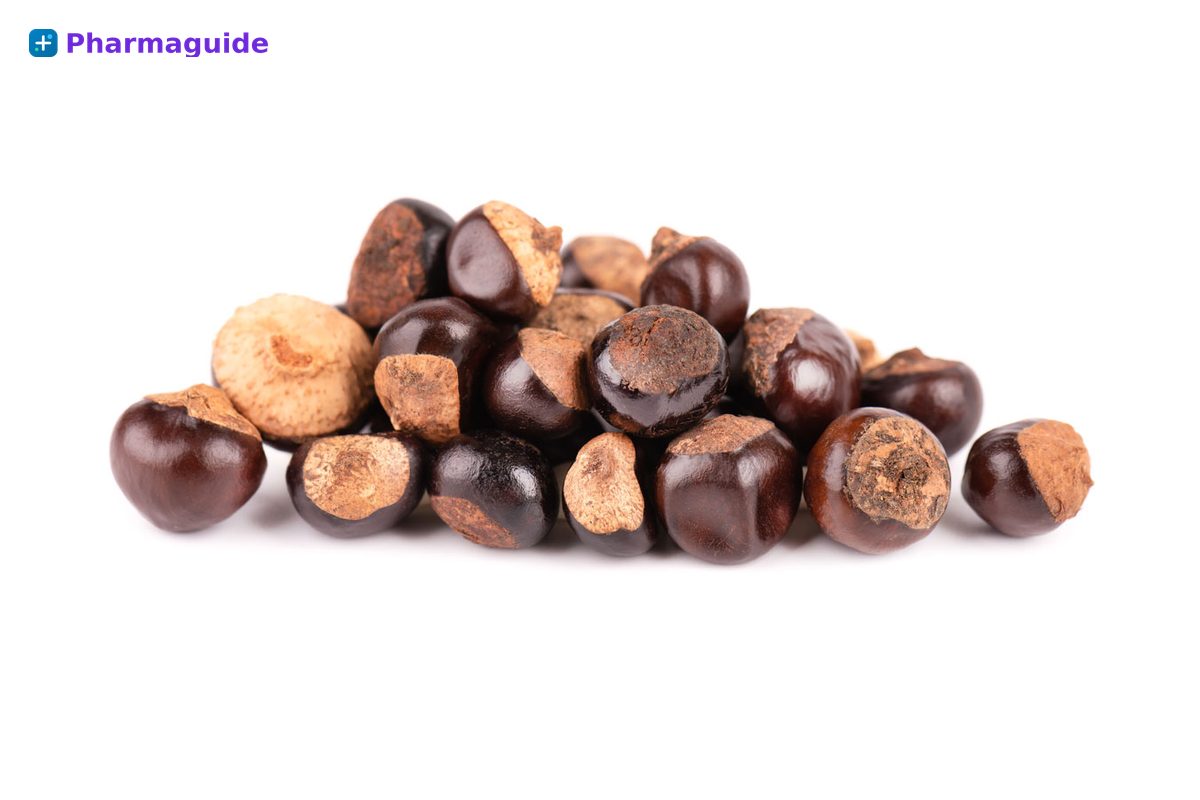
The plant climbs through the rainforest canopy and produces clusters of red berries. When ripe, each berry splits open to reveal a black seed partly covered in white — an appearance Brazilians have long compared to an eyeball, and the seed sits at the centre of regional folklore. Indigenous communities in the Amazon traditionally roasted and ground the seeds into a paste, which was grated into water to make a stimulating drink for long journeys and hunts. Alongside caffeine, the seeds naturally contain small amounts of related compounds such as theobromine, the gentle stimulant also found in cocoa. Today most of the harvest comes from cultivated plantations in Brazil, where the seeds are dried, roasted and milled into a fine powder. In Brazil the powder is whisked into water, juices and smoothies much as matcha is elsewhere, and it flavours everything from ice cream to chocolate. Exported, it usually appears not as a drink in its own right but as an ingredient inside energy drinks, pre-workout powders and "focus" supplements.
How Much Caffeine Does Guarana Contain?
The seeds are commonly described as containing roughly twice the caffeine concentration of coffee beans by weight — figures around 3 to 6 per cent are often quoted in standard references, against roughly 1 to 2 per cent for coffee beans. What lands in your glass, though, varies enormously. Energy drinks and supplements add widely different amounts, and many also contain extra caffeine from other sources plus a heavy dose of sugar. The important point is that caffeine from this seed is chemically the same caffeine as in coffee or tea; your body cannot tell the difference, and it all counts towards the same daily total.

Claimed Benefits: Energy, Focus and Performance
Most of the promised benefits — alertness, concentration, fighting tiredness, a boost before sport — are the familiar effects of caffeine itself, and the evidence that the seed adds anything beyond its caffeine is thin. Some studies suggest the natural package of compounds may release its effect a little more slowly than coffee, but this is far from settled. It is also worth asking what the powder replaces in a person's day: a can loaded with this extract usually arrives with several spoonfuls of sugar, so any lift in focus may owe as much to the sugar — and to the break itself — as to the seed. Most products list it on the label as guarana extract, sometimes without clearly stating how much caffeine it adds, which makes honest comparison between brands difficult. Treat dramatic claims about fat burning or performance with particular scepticism.
Side Effects: When the Buzz Turns Unpleasant
Too much caffeine from any source can cause a racing or pounding heartbeat, palpitations, anxiety, restlessness, tremor, headache, stomach upset and raised blood pressure, and it reliably wrecks sleep when taken late in the day. Because guarana is concentrated and often hidden inside sweet drinks, it is easy to overshoot your usual limit without realising — two cans at a study session can quietly equal several strong coffees. People who notice their heart fluttering or their hands shaking after energy drinks are feeling caffeine, whatever the label calls it, and the sensible response is to cut down, not push through.
Who Should Avoid It
Some people should not use concentrated caffeine sources at all. During pregnancy, caffeine intake needs care and personal limits are a matter for your own doctor. Children and young teenagers should avoid energy drinks altogether. People with heart rhythm problems, uncontrolled blood pressure or anxiety disorders may find that even moderate amounts trigger symptoms, and anyone taking stimulant medicines, or medicines whose effect caffeine can disturb, should ask their doctor first. The same caution applies while breastfeeding, when caffeine passes into milk in small amounts and can leave a baby restless. For these groups, guarana in any form is best left on the shelf.
Reading Labels: The Pakistan Energy-Drink Scene
Energy drinks are heavily marketed to students and young workers in Pakistan, often around exams and night shifts, and many carry a large sugar load alongside the stimulants. Read the whole label, not just the front: look for the total caffeine per can and check the sugar per serving as well. Our explainer does matcha have caffeine helps you add up the caffeine in teas too, so your daily total is honest. If the ingredient list includes guarana, count it as caffeine — because that is exactly what your body will do. And if evenings are the problem, switching the last cup of the day to decaf coffee often protects sleep better than any energy drink protects the afternoon.
Disclaimer
This article is for general information only and is not a substitute for professional medical advice, diagnosis or treatment. If energy drinks or caffeine affect your heart, sleep or anxiety, please consult a registered medical practitioner in Pakistan. In an emergency, call Rescue 1122.