Decaf Coffee: How It Is Made, Caffeine Content, Benefits and Side Effects

Decaf coffee offers the warmth, aroma and ritual of a regular cup without most of the caffeine — an appealing swap for anyone whose sleep, nerves or stomach complain after ordinary coffee. But how is the caffeine taken out, how much is really left in the cup, and who benefits most from switching? This article explains the main decaffeination methods, the honest benefits and limits of decaf, and what to expect when you go looking for it in Pakistan.
This article is for general information only and is not medical advice. For advice about your own health, please consult a registered medical practitioner.
How Decaf Coffee Is Made
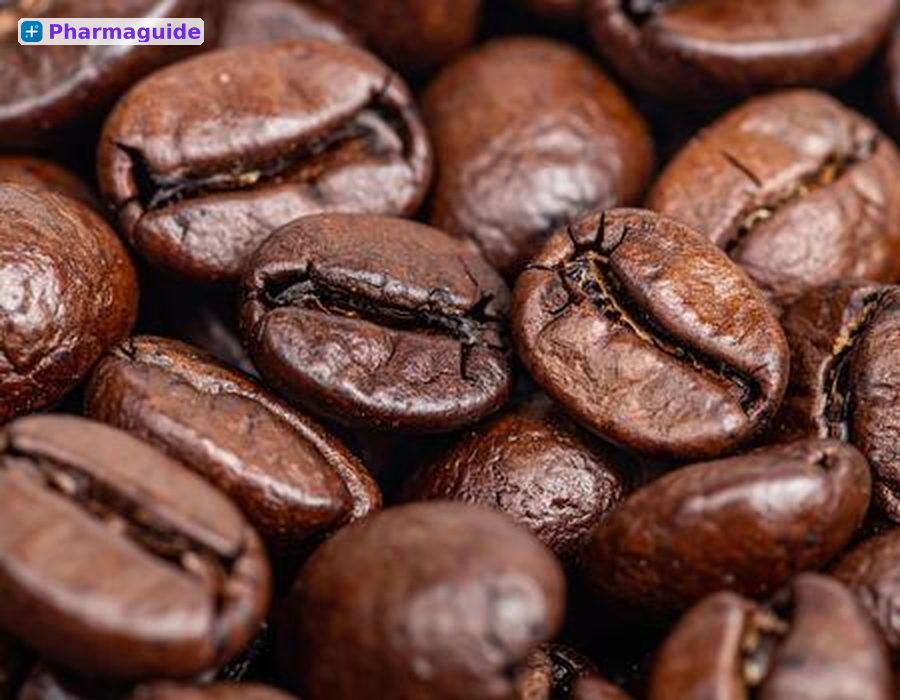
Decaf coffee starts as ordinary green coffee beans, and the caffeine is removed before roasting. In the Swiss Water method, beans are soaked in hot water so the caffeine dissolves out, and the water is then passed through carbon filters that trap the caffeine while letting flavour compounds return to the beans. The carbon dioxide method uses pressurised CO2 to pull caffeine out selectively. Solvent methods rinse the beans with food-grade solvents such as ethyl acetate, which bind to caffeine and are then steamed away; any residues left are far below food-safety limits, and the method has been used safely for decades. No method is perfect — a little of the delicate flavour is always lost — but good decaf today tastes far better than its old reputation suggests. Because the treatment happens before roasting, the beans can be roasted light or dark just like regular coffee, and many well-known brands sell the same blend in both versions, which makes a side-by-side comparison at home surprisingly easy.
How Much Caffeine Is Still in Decaf Coffee?
Decaf is not completely caffeine-free. As general information from standard references, a typical cup contains roughly 2 to 15 milligrams of caffeine, compared with about 95 milligrams in a regular cup — so usually well over 95 per cent has been removed. The exact amount varies with the beans and the method, and it does add up: three evening cups of decaf could equal a small tea. Tea drinkers face the same arithmetic, and our explainer does matcha have caffeine shows how caffeine hides in drinks that seem gentle. For most people the trace in decaf is too small to notice, but those who are extremely sensitive may still feel it.
Benefits of Switching to Decaf
The clearest benefit is sleep. Caffeine can linger in the body for many hours, so an evening cup of regular coffee may still be disturbing your night at 2 a.m.; swapping to decaf keeps the after-dinner ritual without the restless night. People who find that coffee makes them jittery, anxious or aware of their heartbeat often feel calmer on decaf. Some people with reflux also find it gentler, although this varies from person to person. There is a social benefit too: the friend who hosts late chai-and-coffee evenings, the office meeting that runs past six, the wedding dinner where coffee circulates at midnight — decaf lets you accept the cup without paying for it in lost sleep. And it is not an empty drink: decaf retains most of coffee's natural antioxidants, so the switch gives up the stimulant, not everything else.
Side Effects and Honest Limitations
Decaf shares some of coffee's downsides. It is still acidic, so it may not suit an irritated stomach, and very heavy coffee drinking of any kind is not wise. It can also disappoint if it is stale: because it is bought less often, packs sometimes sit on shelves longer, so check dates and store the beans or grounds in a sealed jar away from heat, just as you would the regular kind. During pregnancy, what matters is total caffeine from all sources across the day — tea, cola, chocolate and medicines included — and a cup of decaf still contributes a little, so it belongs in that count; follow your own doctor's guidance on your personal limit. Finally, taste and price set expectations: decaf usually costs a little more and can taste slightly softer than the regular version of the same brand.
Who Should Try Decaf — and Finding It in Pakistan
Decaf suits evening coffee lovers, people cutting down gradually, those whose doctors have advised them to reduce caffeine, and anyone who simply loves the taste but not the buzz. If you drink several cups a day, you do not have to switch all at once: many people replace the last cup of the day first, then the afternoon one, keeping a morning regular coffee while the body adjusts. A half-and-half mix — sometimes called half-caf — is another gentle middle step that avoids the headache a sudden stop can bring. In Pakistan, look for it in the imported aisles of large supermarkets in Karachi, Lahore and Islamabad, in café chains that list it on the menu, and online, where instant decaf jars and ground decaf are both sold. It also makes a calmer swap for energy drinks, which often get their kick from added caffeine or guarana rather than from coffee at all. Start with the same beans you already enjoy, in decaf form, and the change will feel small.
Disclaimer
This article is for general information only and is not a substitute for professional medical advice, diagnosis or treatment. If you are pregnant or have a condition affected by caffeine, please consult a registered medical practitioner in Pakistan about your own limits. In an emergency, call Rescue 1122.