Black Seed Oil (Kalonji): Benefits, Uses, Dosage and Side Effects
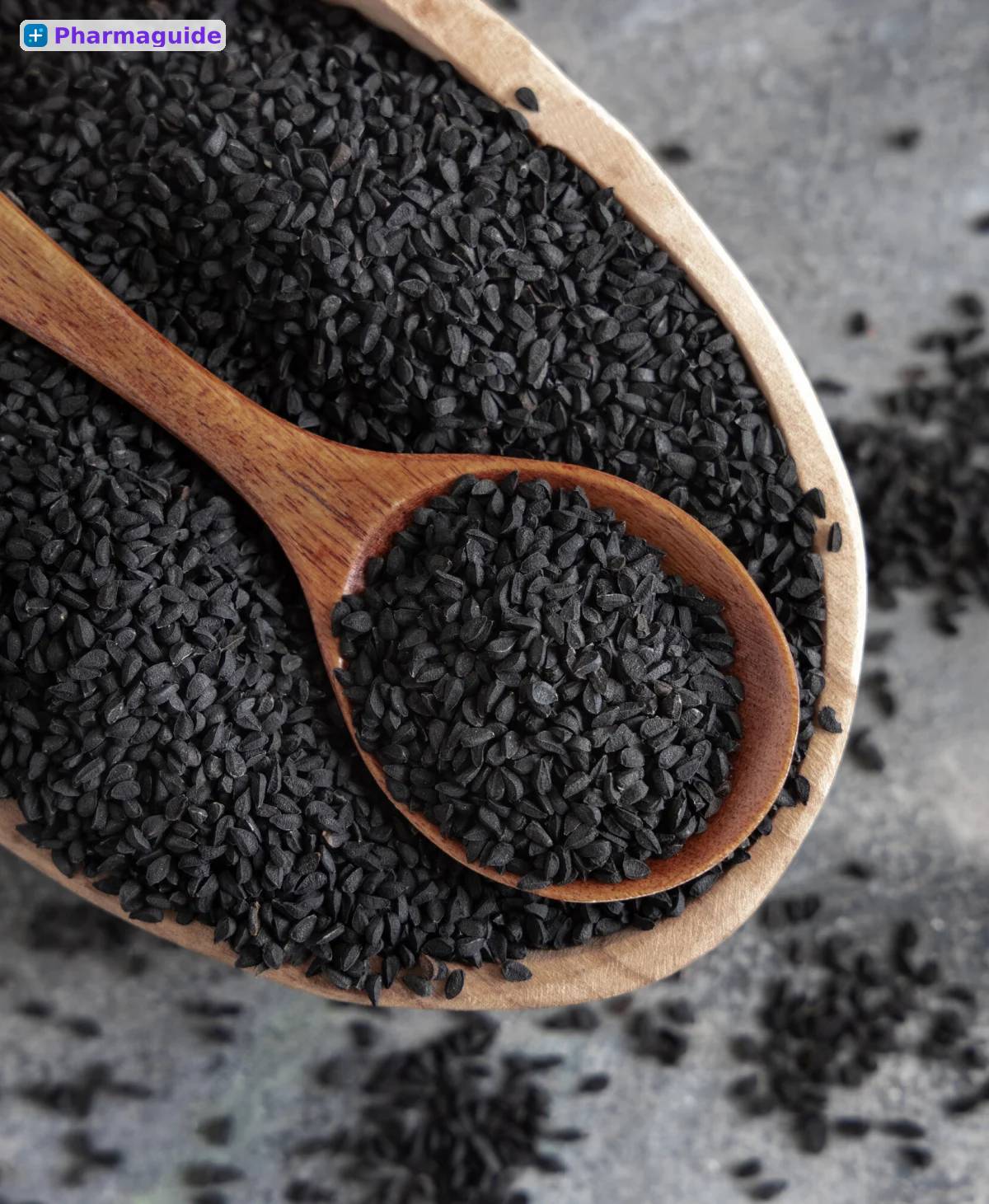
In many Pakistani kitchens a small dark bottle stands near the spice box: kalonji oil, the pungent oil black cumin seeds are pressed to produce. Kalonji — Nigella sativa — has seasoned naans and pickles for generations, and it holds a special place in traditional medicine across the Muslim world. This article looks at what black seed oil is, what modern evidence says about its popular claims, how the oil differs from the whole seeds, and the interactions and cautions that matter before anyone uses it regularly.
This article is for general information only and is not medical advice. For advice about your own health, please consult a registered medical practitioner.
Kalonji in the Pakistani Kitchen and Tradition
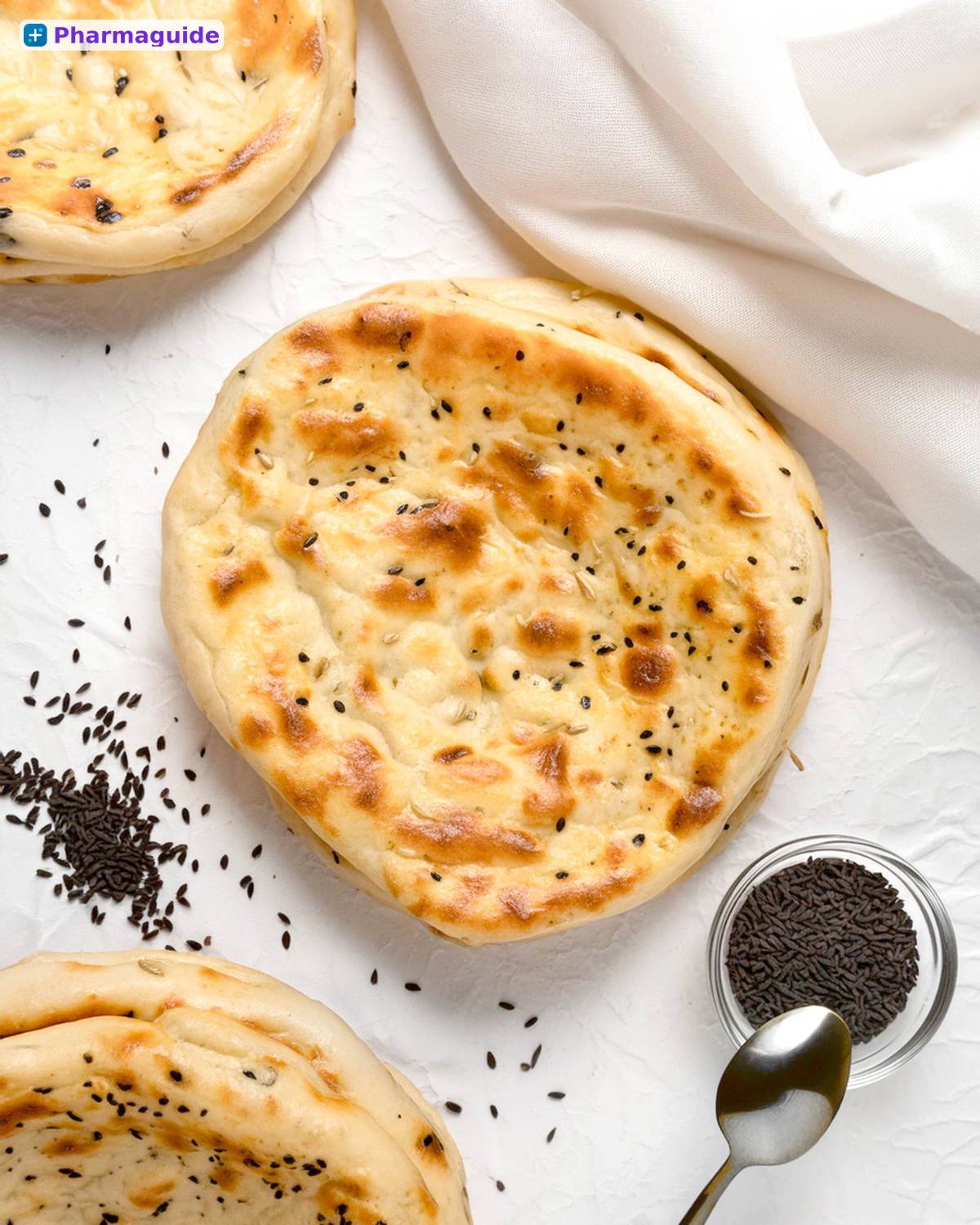
Whole kalonji seeds are scattered over naan, stirred into achaar and lentil dishes, and used in tempering for their peppery, slightly bitter bite. A pinch eaten as food is a very different thing from spoonfuls of concentrated oil. Kalonji shares the spice shelf with fennel seeds (saunf), another small seed with a big after-dinner reputation in Pakistani homes. In traditional practice, the seeds and their oil have been used for everything from digestion to skin care, which is precisely why the oil attracts such strong claims today — and why those claims deserve a calm look at the evidence. The seeds themselves come from a small flowering plant in the buttercup family, grown across South Asia and the Middle East; the tiny black seeds sit in the dried pods and are harvested much like other spice seeds. Fresh seeds smell sharp and slightly like oregano, and they lose their bite slowly when stored whole in a closed jar.
Oil Black Cumin: What the Evidence Says
The most studied compound in black seed oil is thymoquinone, which shows antioxidant and anti-inflammatory activity in laboratory research. Human studies exist but are mostly small and short. Some studies suggest modest support for blood sugar and cholesterol levels when the oil is used alongside usual treatment, and traditional skin uses continue to be explored. Researchers have also examined it for seasonal allergies and general immune support, again with early and inconsistent findings. It is worth noticing a pattern with such remedies: the laboratory results are exciting, the human trials are small, and the marketing runs far ahead of both. The honest position is that evidence is early and mixed: black seed oil is not an established treatment for any condition, and it should never replace prescribed medicines for diabetes, blood pressure or anything else. Anyone who stops a regular medicine in favour of a supplement is taking a real risk.
Oil vs Whole Seeds: Which Form Suits You?
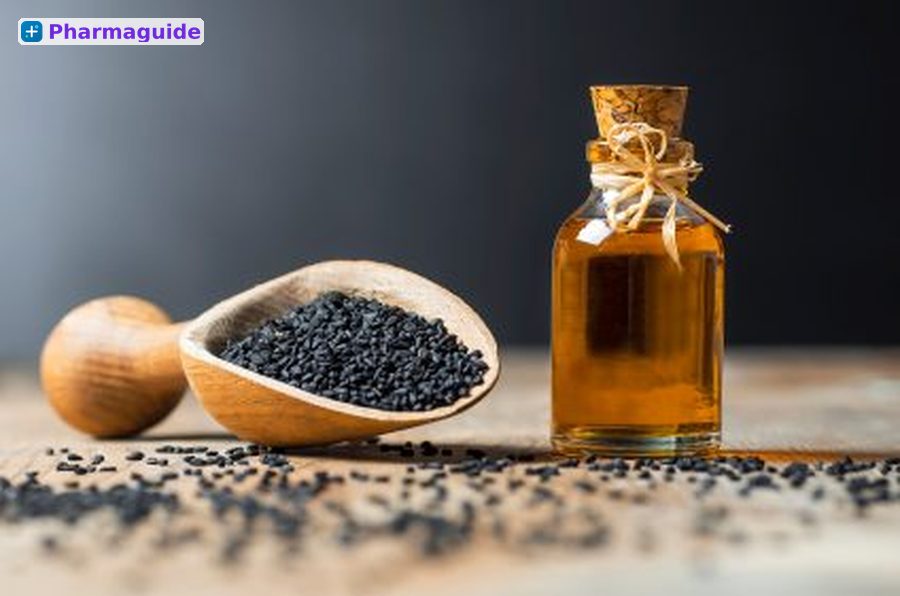
The oil black cumin seeds yield is far more concentrated than the seeds themselves, so the amounts used are much smaller and the taste far stronger. Cooking with the seeds is the gentlest, most traditional route and adds flavour with tiny quantities. The oil is chosen by people who want a measured amount without cooking, and capsules exist for those who dislike the taste. Seeds sold for the kitchen vary in freshness, while oils vary in strength depending on how they were pressed and stored — one reason results and side effects differ so much between products.
Dosage: General Reference Amounts Only
Product labels and standard references commonly describe small amounts — often around half to one teaspoon of oil a day for adults — but treat these figures only as general information found in standard references, not as advice for you. There is no officially established dose for black seed oil, products differ in concentration, and the dose your doctor advises for your situation comes first and may differ. If you do try it, start with the smallest amount, take it with food to reduce stomach discomfort, and keep a note of any effects so you can discuss them honestly with your doctor.
Side Effects, Interactions and Pregnancy
Black seed oil may lower blood sugar and blood pressure slightly, which means it can add to the effect of diabetes and blood-pressure medicines and push levels too low. It may also interact with blood-thinning medicines, so people using those should not start it without medical advice. Medicinal amounts are best avoided in pregnancy, as safety has not been established. On the skin, the oil can cause irritation or allergy in some people — a patch test on a small area first is wise. Nausea and stomach upset are the most common complaints when it is taken by mouth.
Buying Genuine Kalonji Oil
Choose cold-pressed oil in a dark glass bottle, with a strong peppery smell and a deep golden-brown colour; a weak, bland oil may be diluted with cheaper oils, a common form of adulteration. Reputable brands print the seed's botanical name, Nigella sativa, and a pressing or expiry date on the label — both are good signs. Check that the label names the oil black cumin (kalonji) clearly rather than hiding behind a vague "herbal oil" description. As with oil of oregano, a concentrated plant oil is only as trustworthy as its source, so buy from sellers you know. Store the bottle away from heat and light, and use it within a few months of opening.
Disclaimer
This article is for general information only and is not a substitute for professional medical advice, diagnosis or treatment. Herbal oils can interact with prescribed medicines, so please consult a registered medical practitioner in Pakistan before using them regularly. In an emergency, call Rescue 1122.