Healthy Snacks for Work: Nutritious Options That Keep You Full
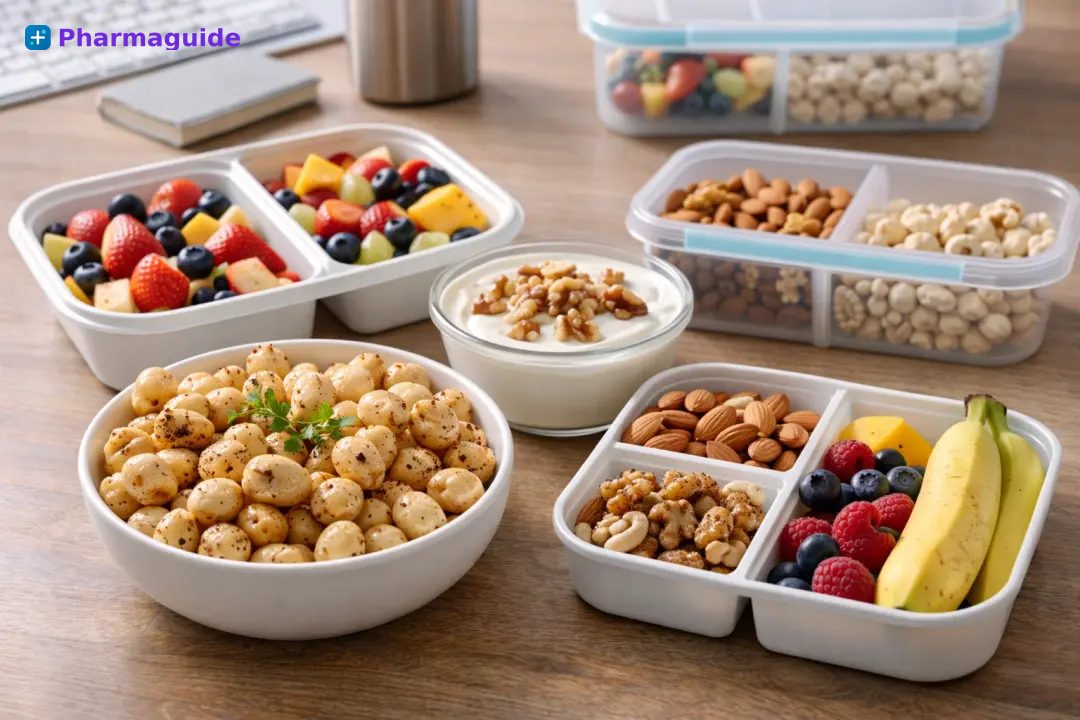
The hours between lunch and the end of the working day are when vending machines and office biscuit tins do their worst damage. A little planning changes everything: keeping healthy snacks for work within reach means you eat something that genuinely keeps you full, instead of a sugar spike followed by a crash. The best work snacks are portable, not messy, do not need refrigeration for a few hours, and combine protein, fibre or healthy fats — the nutrients that actually satisfy hunger.
Note: This article is for general information only and is not medical advice. Always consult a qualified doctor or pharmacist about your own situation.
What Makes a Snack Actually Filling?
A snack keeps you full when it digests slowly. Protein, fibre and fat all slow digestion, while refined sugar and white flour digest quickly and leave you hungry again within the hour. That is why a small handful of nuts outperforms a large packet of plain biscuits. When choosing healthy snacks for work, aim for a snack with at least two of these: a protein source, a fibre source, or a healthy fat — and keep portions snack-sized rather than meal-sized, roughly 150–250 calories for most people.
Healthy Snacks for Work: Desk-Friendly Options
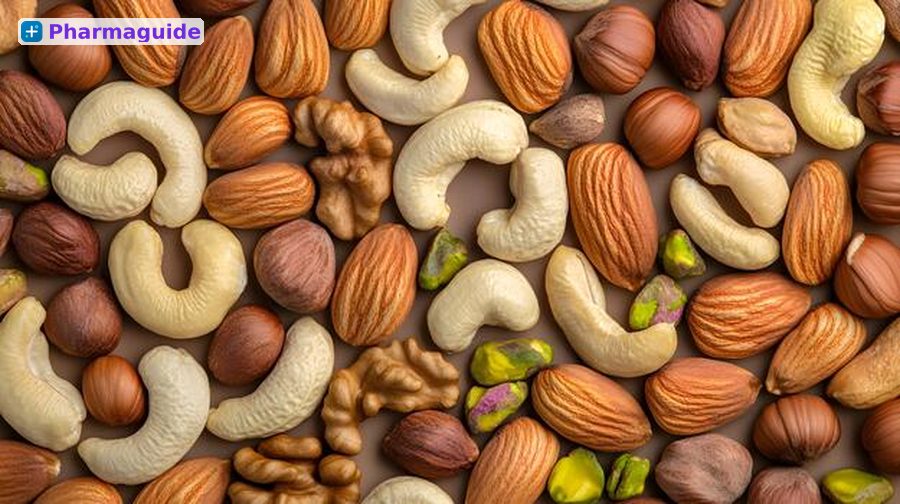
- Mixed nuts and seeds: almonds, walnuts, peanuts and pumpkin seeds are shelf-stable, portionable and rich in healthy fats and protein. Pre-portion them into small boxes so the bag does not silently disappear.
- Roasted chickpeas: crunchy, high in fibre and protein, cheap, and easy to make or buy in Pakistan. Seasoned versions can be salty, so check the salt if you eat them daily.
- Roasted makhana (fox nuts): light, crunchy and low in calories for their volume; our phool makhana guide explains their nutrition and how to flavour them without much oil.
- Fresh fruit: apples, bananas, guavas, oranges and seasonal fruit need no preparation and bring fibre and water along with natural sweetness.
- Boiled eggs: one or two eggs provide high-quality protein in a self-contained package. Eat them the same day and keep them cool until the afternoon.
- Yogurt: a small pot of plain yogurt or a Greek-style yogurt gives protein and calcium; as our greek yogurt article explains, the strained style is especially filling. Choose plain over sweetened versions.
- Hummus or peanut butter with vegetable sticks or wholegrain crackers: a satisfying combination of fat, protein and fibre.
- Cheese portion with fruit: a small piece of cheese plus an apple is a classic, balanced mini-snack.
Snacks to Limit
The usual office traps are crisps, biscuits, rusks dunked in sweet tea, chocolates, mithai and sugary soft drinks or juices. None of these is forbidden forever, but as daily habits they deliver salt, sugar and calories with almost no staying power. Sweetened tea deserves a special mention in Pakistani offices: several cups a day, each with two spoons of sugar, can add up to a meal's worth of calories without any fullness at all. Gradually reducing the sugar per cup is one of the easiest healthy changes most people can make.
Snack Ideas for Common Cravings
Matching the snack to the craving works better than willpower alone. If you want something sweet, try dates with a few walnuts, or fruit with yogurt, instead of chocolate. If you want something salty and crunchy, roasted chickpeas, salted makhana or a small portion of mixed nuts answer the call without the crisps. If you are craving something fizzy, sparkling water with lemon or mint gives the sensation without the sugar of a soft drink. And if what you actually feel is boredom or stress rather than hunger, a short walk, a glass of water and a few minutes away from the screen often solve it better than food does.
Hydration: The Forgotten Snack Rule
Thirst is often mistaken for hunger. Keep a water bottle on your desk and drink steadily through the day — many people who fix their hydration find their afternoon snacking drops on its own. Keep a water bottle on your desk and drink through the day; if you feel like snacking, drink a glass of water first and wait ten minutes — sometimes the urge passes. Plain water is best. Unsweetened green tea or herbal tea are fine alternatives, while energy drinks and sweetened juices belong in the "limit" list above.
A Simple Weekly Prep Routine
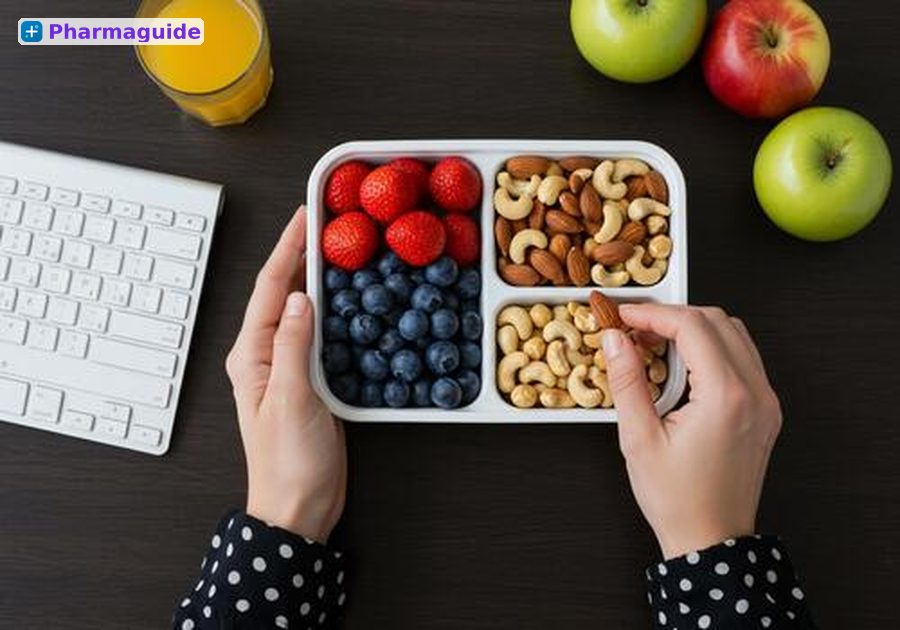
Ten minutes on the weekend sets up the whole week:
- Portion nuts, seeds or roasted chickpeas into five small containers.
- Boil eggs for the first couple of days; buy fruit for the week.
- Keep one emergency drawer snack — a nut bar with a short ingredient list, or a packet of roasted makhana — for meeting-heavy days.
- Rotate options week to week so you do not get bored and drift back to the biscuit tin.
A Note for People With Medical Conditions
People with diabetes need to think about the carbohydrate content of snacks such as fruit, and people with high blood pressure should watch salted nuts and chickpeas. If you have kidney disease or another condition with specific dietary rules, follow your own doctor's guidance rather than general lists like this one. Healthy snacks for work should support your health goals, not conflict with your medical advice.
Disclaimer
This article is for general information only and is not a substitute for professional medical or dietary advice. Snack needs vary with your health, activity and any medical conditions. Consult a registered medical practitioner or qualified dietitian in Pakistan about your own situation, and in an emergency call Rescue 1122.