PCOS (Polycystic Ovary Syndrome): Symptoms, Causes, Treatment and Diet
Irregular periods, stubborn acne, unwanted facial hair, difficulty losing weight — for many women in Pakistan, these separate frustrations turn out to have one shared explanation: polycystic ovary syndrome, or PCOS. It is one of the most common hormone conditions affecting women of reproductive age, and it is also one of the most manageable when it is understood properly. This guide explains the symptoms and causes, gives a general overview of the treatments for polycystic ovarian syndrome that doctors may use, and covers diet, fertility and emotional health.
This article is for general information only and is not medical advice. For advice about your own health, please consult a registered medical practitioner.
What Is PCOS?
Despite its name, PCOS is not mainly a problem of "cysts". The ovaries may contain many small, harmless follicles that started to develop an egg but did not release it, and the real issue is a hormone imbalance: the ovaries produce higher-than-usual amounts of androgens (hormones such as testosterone, present in small amounts in all women), and ovulation becomes irregular or stops for a while. Diagnosis is usually based on a combination of symptoms, blood tests and sometimes an ultrasound, assessed by a doctor — no single test or scan settles it alone.
Common Symptoms
Symptoms vary widely; some women have several, others only one or two. They include:
- Irregular, infrequent or missed periods, or periods that are very heavy when they come.
- Excess hair growth on the face, chin, chest or stomach, and thinning of hair on the scalp in some women.
- Persistent acne and oily skin, sometimes continuing well beyond the teenage years.
- Weight gain, or weight that is unusually hard to shift, especially around the waist.
- Difficulty conceiving because ovulation is irregular.
- Darkened, velvety skin patches on the neck or underarms in some women, a sign linked with insulin resistance.
PCOS can also affect mood, confidence and, for some women, libido meaning — the emotional side of the condition is real and deserves the same attention as the physical side.
Causes: Hormones and Insulin Resistance
The exact cause is not fully known, and genes clearly play a part — PCOS often runs in families. The best-understood mechanism involves insulin, the hormone that moves sugar from the blood into the body's cells. In many women with PCOS, the body responds less well to insulin, a state called insulin resistance. The body compensates by making more insulin, and that higher insulin level pushes the ovaries to produce more androgens, which then disrupt ovulation and cause many of the visible symptoms. This is also why PCOS is linked with a higher long-term risk of type 2 diabetes, which regular health checks can watch for.

Treatments for Polycystic Ovarian Syndrome: A General Overview
There is no single cure, but the condition can be managed very effectively, and modern treatments for polycystic ovarian syndrome are chosen according to which symptoms matter most to the individual woman. Lifestyle measures are considered the foundation for almost everyone: regular physical activity and balanced eating improve insulin sensitivity and can help periods become more regular.
Beyond lifestyle, doctors may consider medicines for specific goals — for example, medicines that improve insulin sensitivity such as metformin, hormonal contraception to regulate periods and help acne or excess hair, or fertility medicines when pregnancy is the aim. Which of these, if any, is appropriate is always an individual decision for a doctor who knows the woman's full history; none of them should be started, stopped or adjusted on the basis of an article, a friend's experience or social media advice. Be cautious of expensive "PCOS cures" and supplement packages sold online — there is no shortage of marketing aimed at this condition, and the evidence behind most such products is weak.
Diet in General Terms
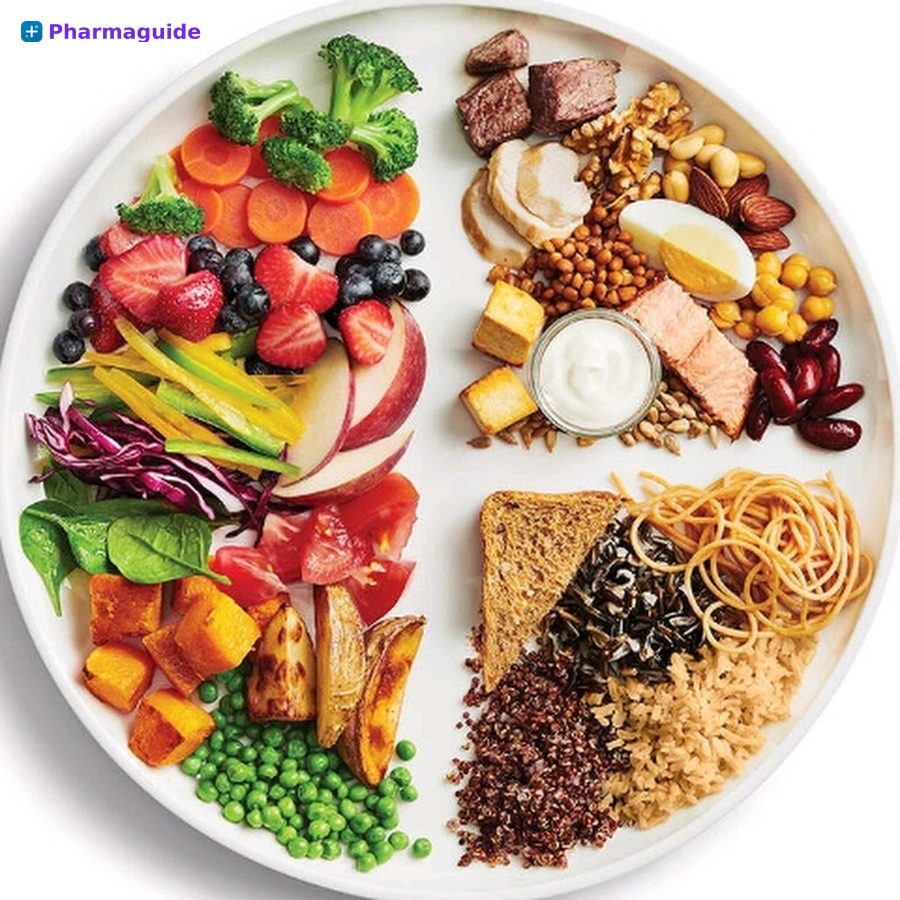
No single "PCOS diet" has been proven best, but the general pattern that helps insulin resistance is familiar: regular meals built around whole grains, lentils and vegetables, adequate protein, and fewer refined sugars, sweet drinks and heavily processed foods. Slow, sustainable changes work better than crash diets, which often damage the relationship with food and rarely last. Some women enjoy herbal drinks such as spearmint tea as part of their routine; a few small studies have explored spearmint in relation to androgen levels, but the evidence is limited and tea should be seen as a pleasant habit, not a treatment.
PCOS and Fertility
A PCOS diagnosis is not a verdict of infertility. Because ovulation is irregular rather than absent in most women, many conceive naturally, sometimes simply taking a little longer. When help is needed, effective fertility treatments exist, starting with medicines that encourage ovulation, and specialists can escalate step by step if required. Planning pregnancy is also a good reason to have overall health reviewed first — blood sugar, blood pressure, weight and folic acid — with your own doctor.
Emotional Health and Long-Term Care
Living with unpredictable periods, visible symptoms and fertility worries can wear a person down, and anxiety and low mood are more common in women with this condition. Support matters: understanding family, honest conversation, and professional help when mood stays low. Long term, women benefit from regular follow-up — periodic checks of blood sugar, blood pressure, cholesterol and mood — arranged with a gynaecologist or endocrinologist who can build a personal plan. Treatments for polycystic ovarian syndrome work best as that kind of steady partnership, not as a one-time prescription.

Disclaimer
This article is general information only and is not a substitute for professional medical advice, diagnosis or treatment. For advice about your own health, please consult a registered medical practitioner in Pakistan. In an emergency, call Rescue 1122.