Aloe Vera Gel: Benefits for Skin and Hair, How to Use It and Side Effects
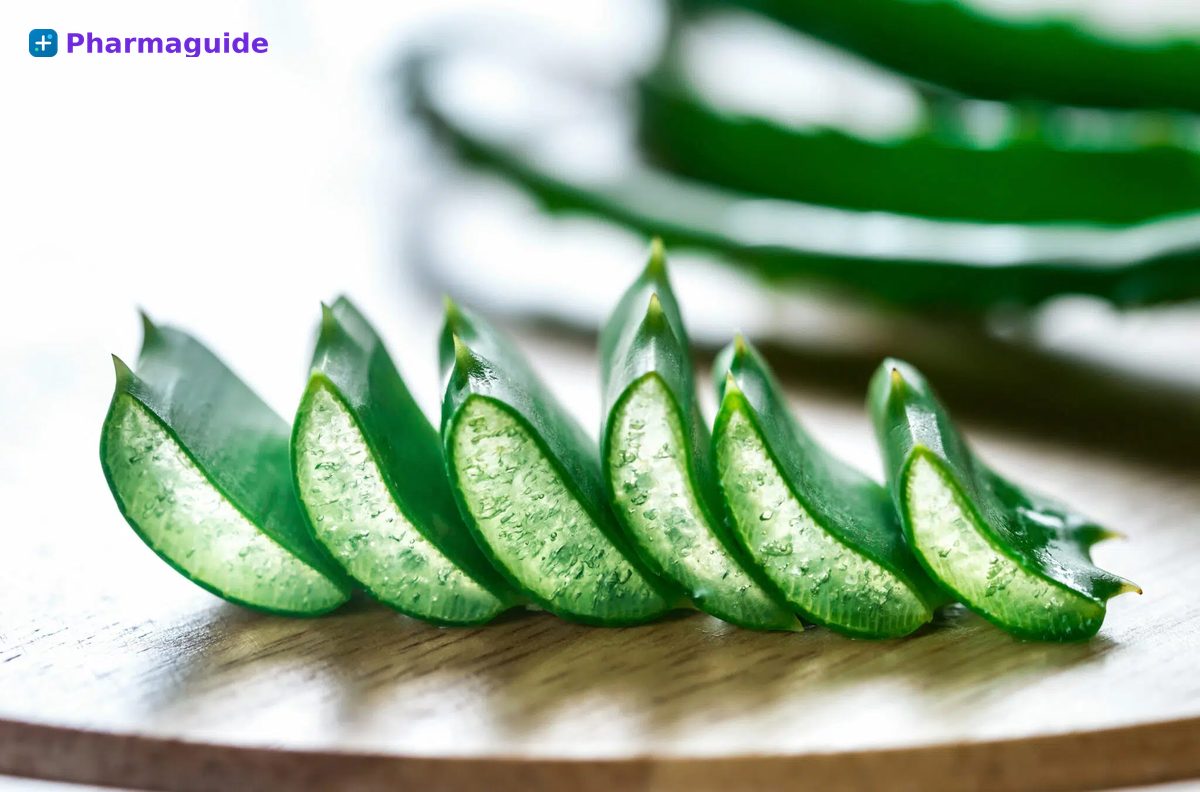
Few plants are as familiar in Pakistani homes as aloe vera. A pot of it sits on many rooftops and balconies, and when someone comes home with sunburnt skin or dry, rough hair, the first remedy reached for is often the clear gel of aloe vera leaves, cut fresh from the plant. But what does this gel actually do, how is it used sensibly, and are there any risks hidden in a plant that seems so gentle? This guide looks at the benefits, everyday uses and side effects in balanced terms.
This article is for general information only and is not medical advice. For advice about your own health, please consult a registered medical practitioner.
What Is Aloe Vera Gel?
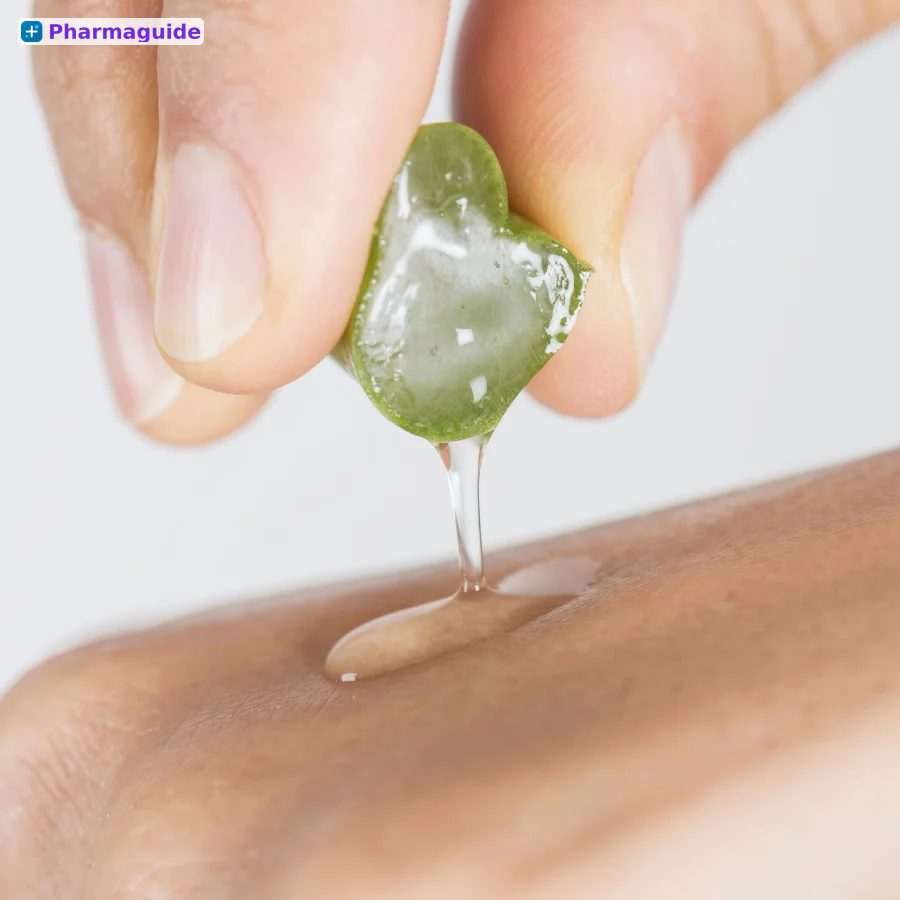
Aloe vera is a succulent plant with thick, fleshy, pointed leaves. Inside each leaf is a clear, slippery gel made mostly of water, along with small amounts of vitamins, minerals, amino acids and plant compounds such as polysaccharides. This gel is what people scoop out and apply to skin and hair.
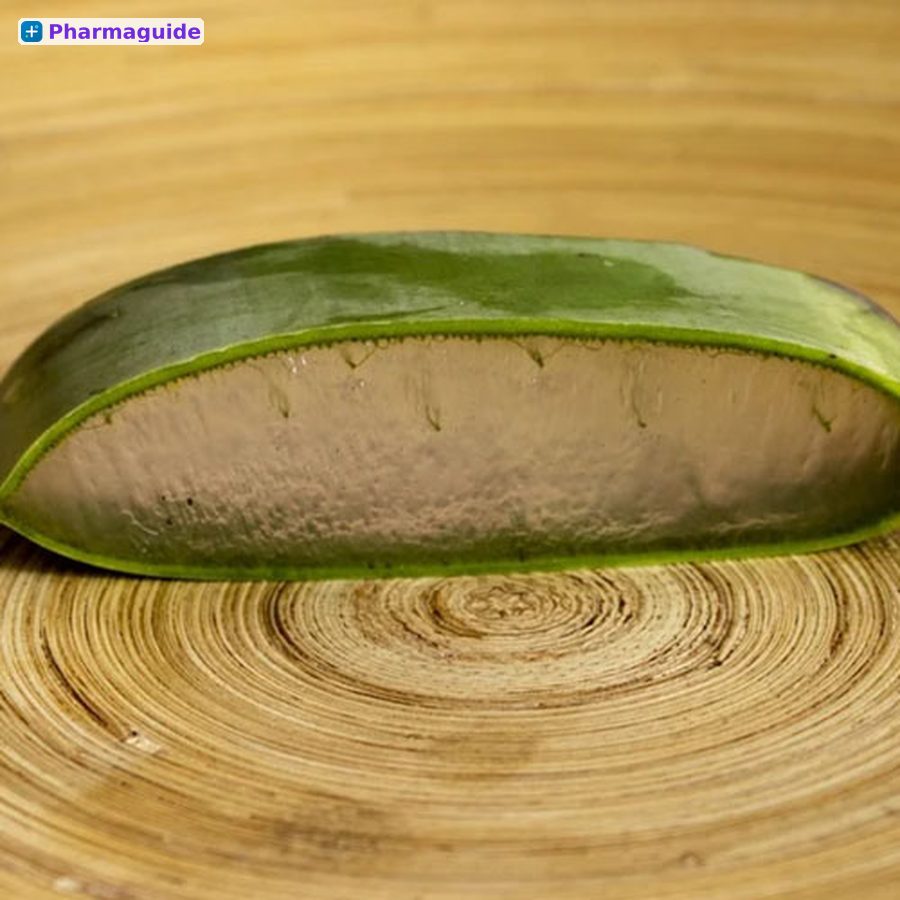
Just under the green skin of the leaf sits a thin yellow layer called aloe latex. This layer is very different from the clear gel: it contains strong laxative compounds, and it is important that it is not swallowed. The skin benefits discussed in this article belong to the clear gel alone.
Skin Benefits of the Gel of Aloe Vera
The best-known use is soothing sunburn. When you apply the gel of aloe vera to hot, reddened skin, its high water content cools the surface and helps the skin feel less tight and sore. Some studies suggest it may support the healing of mild sunburn and minor superficial burns, though the evidence is modest and it is not a substitute for proper burn care.
People also use it as a light moisturiser, especially in summer, because it hydrates without feeling greasy and suits oily or combination skin for many users. It is sometimes used after shaving or on mildly irritated skin. Claims that it can remove scars, cure acne or reverse ageing go beyond what evidence supports; at most, well-moisturised skin tends to look and feel better. Persistent skin problems — deep burns, infected wounds, spreading rashes or unusual growths — need medical attention, not home remedies; our article on skin tag removal explains when skin growths in particular should be checked.
Hair and Scalp Uses
Using aloe gel on the hair is a long-standing tradition in South Asia. It is massaged into the scalp or mixed into homemade masks, sometimes together with ingredients such as avocado in urdu pulp, coconut oil or yoghurt. People report that it leaves hair feeling softer and the scalp less dry and flaky, which is plausible for a water-rich, soothing gel, although strong scientific proof for hair growth is lacking.
A few practical points apply:
- Use the clear gel only, rinsed free of the yellow latex.
- Leave it on the scalp for a short period, then wash out with a mild shampoo.
- If dandruff is severe, comes with thick scales, redness or hair loss, see a doctor — it may be a condition such as seborrhoeic dermatitis that needs proper treatment.
How People Prepare and Use the Gel at Home
In general terms, a mature outer leaf is cut from the plant, stood upright for a while so the yellow latex drains away, then washed. The spiky edges are trimmed, the leaf is opened flat, and the clear gel is scooped out with a spoon. The gel of aloe vera prepared this way can be applied directly, or blended smooth and kept in the fridge for a few days in a clean, covered container.
Ready-made gels are also widely sold. With shop-bought products, it helps to read the ingredient list: some contain added colour, fragrance or alcohol, which can sting or irritate sensitive skin even though the product is labelled aloe.
Whether the gel comes from a leaf or a tube, a little care with hygiene makes it safer: wash your hands and the leaf before cutting, use a clean spoon and knife, and do not dip used fingers back into stored gel, because the water-rich mixture spoils easily in warm weather. Discard any stored gel that smells sour, changes colour or has been kept for more than a few days, and never share opened containers between people when using it on broken or irritated skin. Fresh, clean gel used promptly is always the safer choice.
Side Effects and the Aloe Latex Warning
Most people tolerate the gel of aloe vera well when it is used on the skin, but a patch test is still wise: apply a small amount to the inner elbow and wait a day. Some people develop redness, itching or a burning feeling, and anyone allergic to plants in the same family, such as onion or garlic, may be more likely to react. Stop using it if irritation appears.
The serious warning concerns swallowing the yellow latex layer or drinking strong aloe preparations. Aloe latex is a powerful laxative that can cause abdominal cramps, severe diarrhoea, loss of body salts and strain on the kidneys. It is unsafe in pregnancy, where it may stimulate the uterus, and it is not suitable for children or for people with kidney problems. The clear gel used on the skin is a different matter, but homemade juice drinks made from whole leaves can accidentally include the latex — one more reason to keep aloe use external unless a doctor advises otherwise.
Disclaimer
This article is general information only and is not a substitute for professional medical advice, diagnosis or treatment. For advice about your own health, please consult a registered medical practitioner in Pakistan. In an emergency, call Rescue 1122.