Scabs: How They Form, Healing Stages, Care and When to Worry
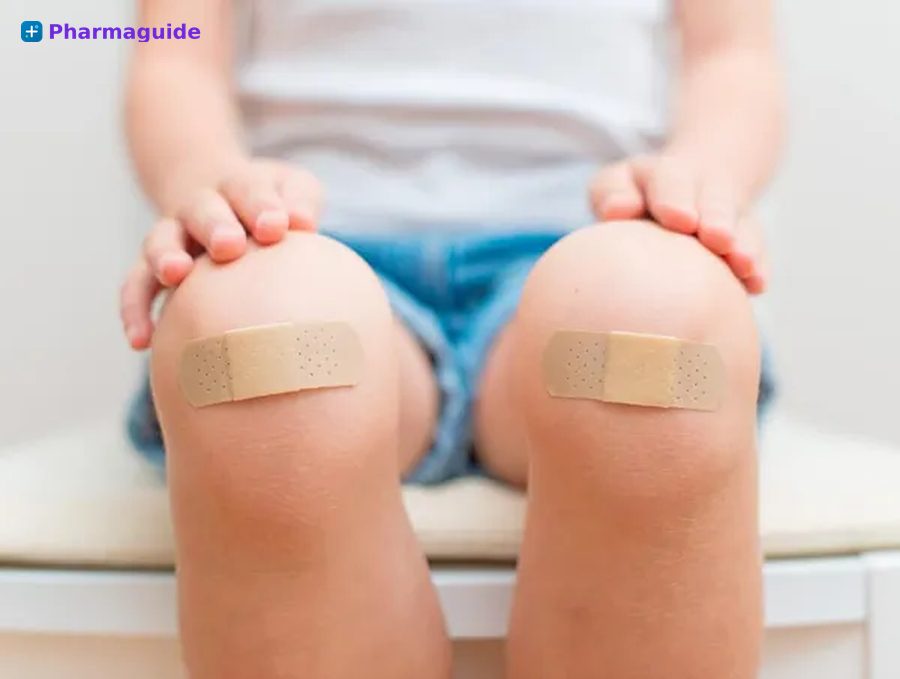
A grazed knee on a school playground, a scraped elbow from a bicycle fall, a small cut from kitchen work — within a day or two, most minor wounds are covered by a dry, rough crust that we know as a scab. It may look unsightly, and it can be desperately tempting to pick at it, but this humble crust is one of the body's smartest pieces of first aid. Understanding how it forms, how healing proceeds underneath it, and how to care for it can help wounds heal faster, with less risk of infection and smaller scars.
This article is for general information only and is not medical advice. For advice about your own health, please consult a registered medical practitioner.
Why the Body Makes a Protective Crust
The moment skin is broken, the body treats it as an emergency. Blood vessels at the injury narrow, and the blood itself begins to clot so that bleeding slows and stops. At the same time, the open wound is a doorway for dirt and germs, and it loses moisture quickly. The dried layer that covers it solves both problems at once: it seals the doorway and keeps the healing tissue underneath moist and protected.
While the crust is in place, an enormous amount of repair happens out of sight. White blood cells clear away bacteria and debris, new tiny blood vessels grow, and fresh skin cells begin to march inward from the edges of the wound to rebuild the surface.
How a Scab Forms, Stage by Stage
Stage one: the clot
Within minutes of an injury, platelets in the blood stick together and, with a protein called fibrin, form a clot that plugs the wound. This is why simple cuts usually stop bleeding on their own with a little pressure from a clean cloth.
Stage two: the dry covering
Over the next hours, the surface of the clot dries in the air and hardens into the familiar dry crust of a scab. Underneath it, protected from friction and germs, the real rebuilding begins. The area may feel slightly itchy as it heals — a normal sensation that is, unfortunately, the main reason people disturb the process.
Stage three: new skin and natural shedding
As new skin closes the gap, the crust becomes unnecessary. It loosens at the edges and eventually falls off by itself, revealing fresh, pink skin beneath. This new skin is delicate and more sensitive to sunlight for some weeks, so it deserves gentle handling.
Why Picking Does More Harm Than Good
Picking at a scab pulls away the protective seal before the new skin is ready. The wound is exposed again, bleeding may restart, and the whole healing clock is set back — sometimes repeatedly. Each cycle of picking and re-forming also increases the chance of a visible scar and gives bacteria on the fingers a chance to enter, which can turn a simple graze into an infected wound.
Children are the champion pickers, usually out of curiosity or because of itching. Keeping the area covered with a plaster during school and play often solves the problem, because what cannot be seen or touched is quickly forgotten. For adults, simply knowing that the crust will drop off on its own, on schedule, often makes it easier to leave alone.
Gentle Care While a Wound Heals
Good care is mostly simple and hands-off:
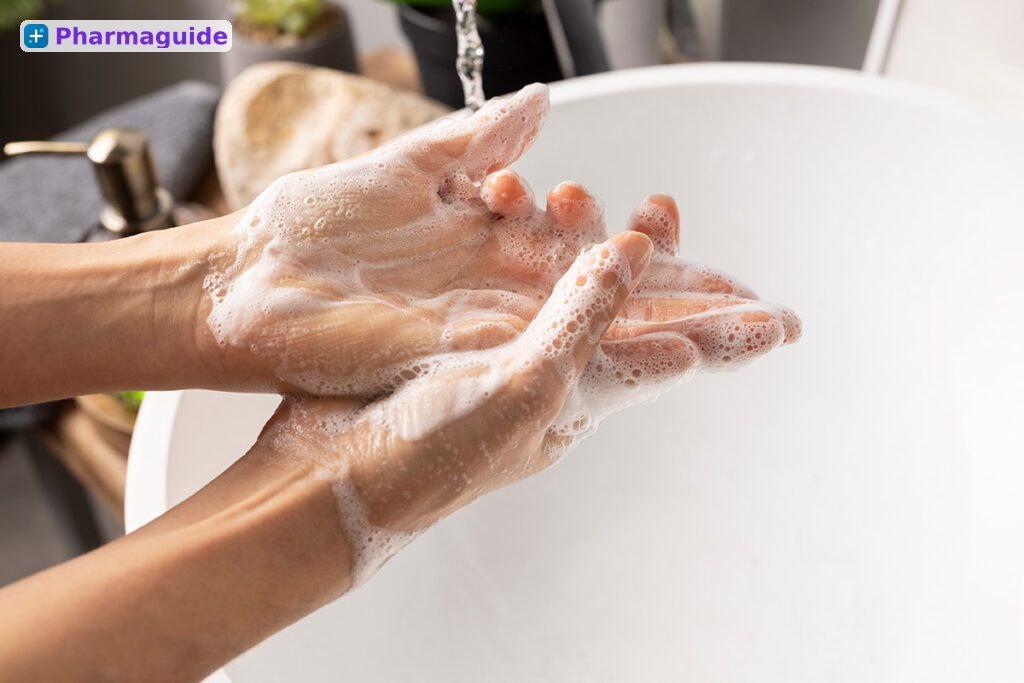
- Wash the fresh wound gently with clean running water and mild soap to remove dirt, then pat dry.
- Cover it with a clean plaster or dressing if it is likely to be knocked, rubbed by clothing or exposed to dust; otherwise, leave it open to the air.
- Leave the scab alone. Let it fall off in its own time.
- Keep the surrounding skin clean, and change dressings if they become wet or dirty.
- If the same spot keeps crusting over without any clear injury, or unusual growths appear on the skin, have it examined — our guide to skin tag removal explains the kind of skin changes a doctor should see.
Warning Signs of Infection
A healing wound should steadily improve. Increasing pain after the first day or two, spreading redness, growing swelling meaning in urdu around the wound, warmth, yellow pus, red streaks travelling away from the injury, or fever are signs that germs may have taken hold. A wound with these features should be seen by a doctor promptly rather than watched at home, because skin infections can deepen quickly, especially in young children and in people with diabetes or low immunity.
When a Wound Needs a Doctor
Some wounds should never be left to heal under a simple crust at home. Seek medical care for wounds that are deep or gaping, cuts on the face, and any bite from an animal or a human, because bites carry a high infection risk and may need specific treatment. Burns, wounds with something stuck inside them, and injuries that will not stop bleeding also need attention.
Speed matters most for one group: a cut or sore on the foot of a person with diabetes should be checked by a doctor urgently, even if it looks small, because circulation and healing in the feet can be poor and problems can escalate. More generally, any wound that has shown no progress after about two weeks, or a crust that keeps returning over the same spot, deserves a proper examination to find out why.
Disclaimer
This article is general information only and is not a substitute for professional medical advice, diagnosis or treatment. For advice about your own health, please consult a registered medical practitioner in Pakistan. In an emergency, call Rescue 1122.