Fennel Seeds (Saunf): Benefits for Digestion, Uses, Nutrition and Side Effects
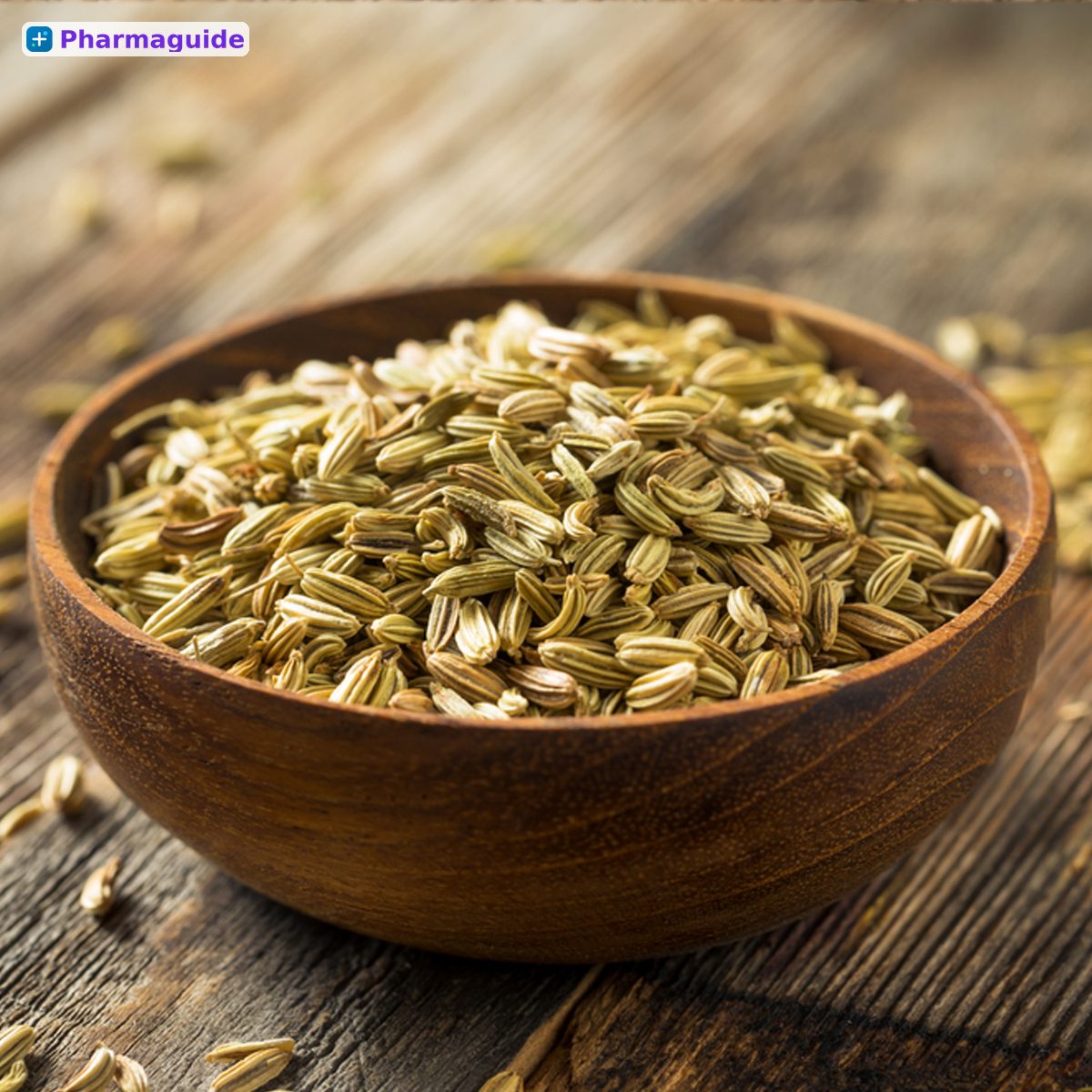
In almost every Pakistani home and restaurant, a small bowl of fennel seeds — saunf — appears after a meal, often mixed with sugar crystals or coated in bright colours. This habit is more than tradition: saunf has been used for centuries across South Asia to freshen the breath and settle the stomach after heavy, spicy food. But what does fennel actually do, how much nutrition does it offer, and are there any side effects to know about? This guide looks at this everyday seed honestly, separating the modest evidence from the myths.
This article is for general information only and is not medical advice. For advice about your own health, please consult a registered medical practitioner.
Why Saunf Is Eaten After Meals
The after-meal saunf custom has a practical logic. Chewing them stimulates saliva, which helps clear food flavours from the mouth and leaves a sweet, liquorice-like freshness — one reason it works as a natural mouth freshener. Traditionally, the seeds are also believed to calm the digestive system after rich dishes like biryani, karahi or nihari, which can leave a person feeling heavy. Many people who struggle with that uncomfortable full feeling also look into the causes of bloating meaning in urdu, since gas and heaviness after meals are among the most common digestive complaints in Pakistan.
What the Evidence Says About Fennel Seeds and Digestion
Fennel seeds contain aromatic compounds such as anethole and fenchone, which in laboratory and animal research appear to relax the muscles of the gut and may help trapped gas move along. Some small human studies suggest fennel preparations may ease symptoms such as bloating, mild cramps and indigestion in some people. However, the evidence is modest — most studies are small, and fennel should be seen as a gentle traditional aid, not a treatment for ongoing digestive disease. Persistent bloating, pain, reflux or changed bowel habits always deserve a proper medical assessment rather than home remedies alone.
One reason saunf feels soothing is that its volatile oils have a mild antispasmodic reputation in traditional practice — in simple terms, they are thought to help the gut relax rather than grip. Fennel has also been used traditionally for babies with colic in some cultures, but parents should be cautious here: home preparations for infants are not automatically safe just because they are natural, and any remedy for a baby — including gripe waters or seed teas — should only be used after asking a paediatrician. For adults, though, the ordinary after-meal pinch is a low-risk habit whose main proven benefit may simply be that it ends the meal with a clean taste and a moment of pause, which itself helps people stop eating when they are full.
Nutrition in a Spoonful of Saunf
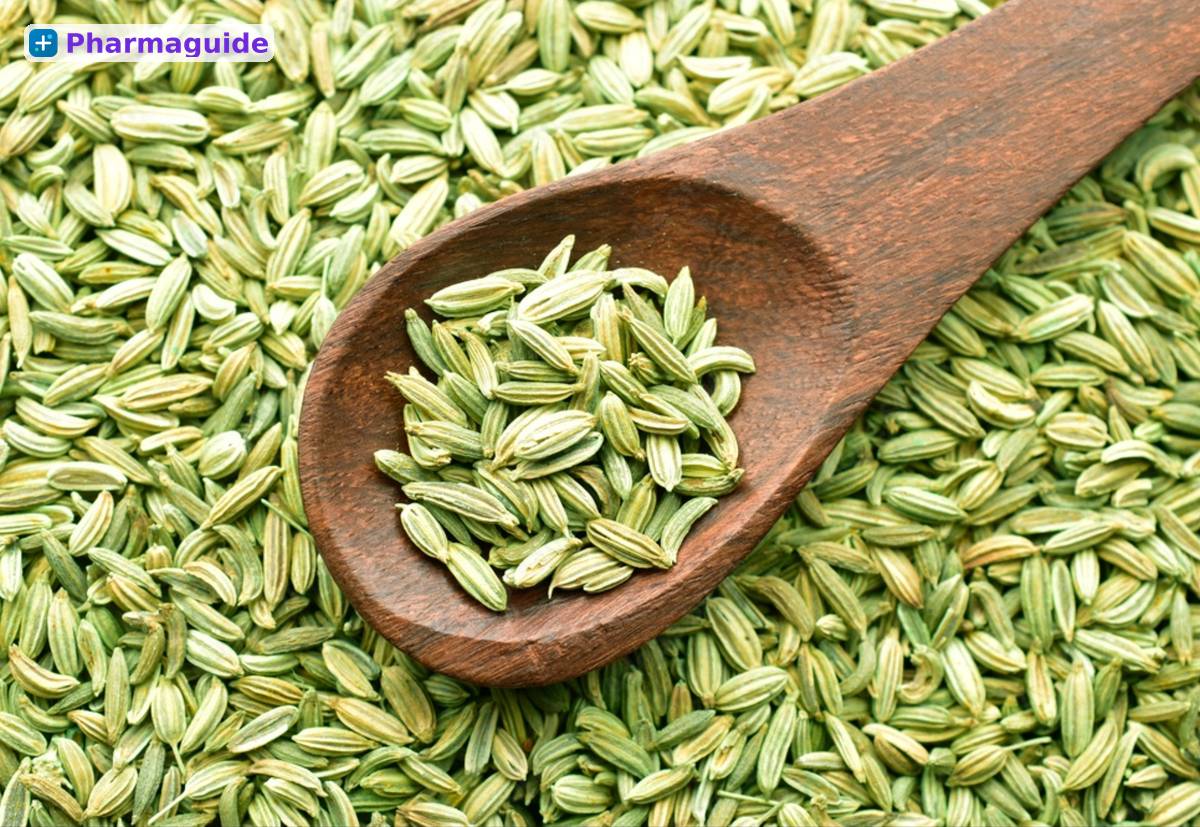
According to standard nutrition references, one tablespoon of fennel seeds (roughly 6 grams) provides approximately 20 calories, about 1 gram of fibre, and small amounts of calcium, iron, magnesium, potassium and manganese, along with traces of vitamin C. The amounts are small because nobody eats fennel in large servings, but the fibre and plant compounds add a little nutritional value to the daily diet. Seeds eaten as a plain mouth freshener are the healthiest form; the brightly coloured, sugar-coated versions sold in markets add sugar with every handful, which works against the benefit. People comparing seed-based foods often also read about chia seeds in urdu, another seed valued for fibre, though the two are used very differently in the kitchen.
Common Uses of Saunf
- After meals: a small pinch chewed slowly as a mouth freshener and digestive aid.
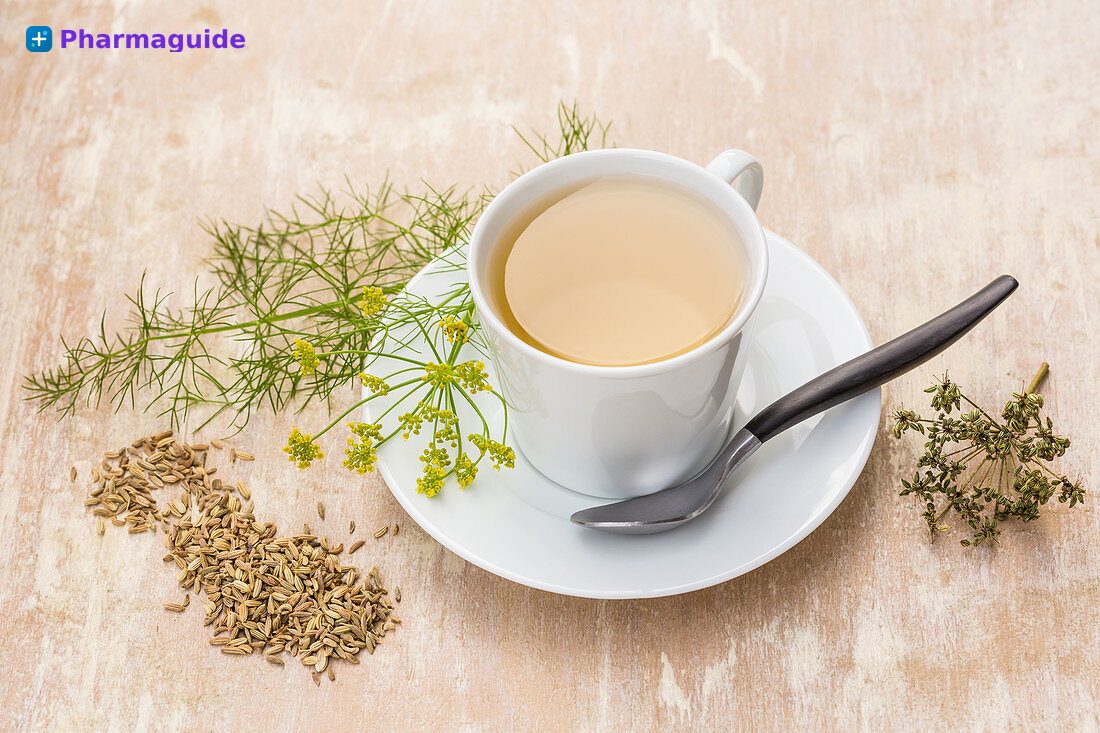
- Saunf tea: a teaspoon of lightly crushed seeds steeped in hot water for 5–10 minutes, a common home remedy for mild indigestion.
- Cooking: used whole or ground in curries, pickles (achar), spice mixes and some desserts, where it adds a sweet, warm flavour.
- Saunf water: seeds soaked overnight in water and the water drunk in the morning — a popular traditional practice, though claims about weight loss from it are not proven.
Side Effects and Cautions
For most people, the seeds in normal food amounts are considered safe. Still, a few cautions apply:
- Allergy: fennel belongs to the carrot family; people allergic to celery, carrot or mugwort may react to it, with symptoms ranging from skin rash to, rarely, breathing difficulty.
- Concentrated forms: fennel essential oil and strong extracts are far more concentrated than the seeds. They should never be swallowed casually, and large doses may cause nausea or skin reactions.
- Pregnancy: normal culinary amounts are generally considered fine, but concentrated fennel preparations and essential oil are best avoided in pregnancy unless a doctor advises otherwise, because of possible effects on the uterus at high doses.
- Skin sensitivity: in some people fennel can make the skin more sensitive to sunlight.
- Medicines: large amounts of any herbal product can interact with medicines; if you take regular medication, mention regular herbal use to your doctor.
How to Choose and Store Saunf
Good saunf is plump, greenish and fragrant; dull, dusty seeds have usually lost their aromatic oils. Store them in an airtight jar away from sunlight and stove heat, and replace them every few months for best flavour. If you enjoy saunf after meals, plain seeds — or seeds lightly dry-roasted at home — are a better everyday choice than sugar-coated mixtures.
Disclaimer
This article about fennel seeds is for general information only and is not a substitute for professional medical advice, diagnosis or treatment. For advice about your own health, please consult a registered medical practitioner in Pakistan, and in an emergency call Rescue 1122.