Tilapia Fish: Nutrition, Benefits, Risks and How It Compares
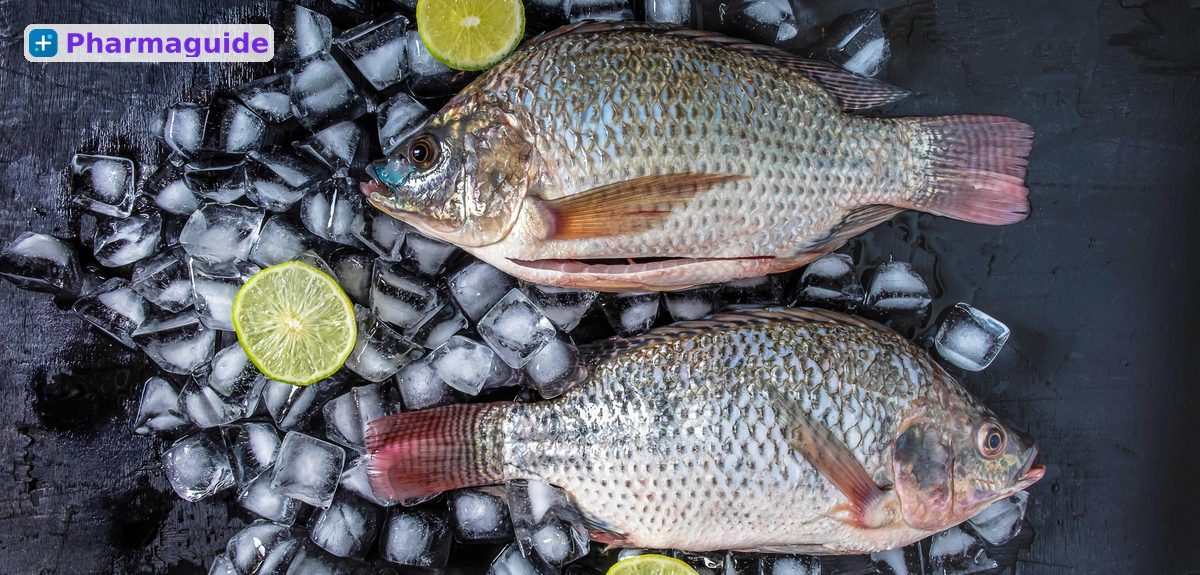
It has quietly become one of the most widely eaten farmed fish in the world, and it is increasingly common in Pakistani markets and restaurants too. Affordable, mild-tasting, easy to cook and available all year, tilapia sounds like the perfect everyday fish. But how nutritious is tilapia really, and how does it compare with other fish you might choose instead? This guide looks honestly at its nutrition, benefits, risks and its place on the plate.
Note: This article is for general information only and is not medical advice. Always consult a qualified doctor or pharmacist about your own situation.
Tilapia Nutrition at a Glance
It is a lean white fish. A cooked fillet of about 100 grams provides roughly 26 grams of protein and around 125–130 calories, with very little fat — about 2–3 grams. It contains useful amounts of vitamin B12, niacin, phosphorus, selenium and potassium. Because it is lean and protein-rich, it fits well into meals for people watching their calorie intake while still wanting satisfying portions, much like the other lean options listed among high protein foods.
The flesh is firm, white and mild, with none of the strong "fishy" flavour some people dislike. That mildness makes it popular with children, with people who are new to eating fish, and in dishes where spices and sauces provide most of the flavour — which describes a great deal of Pakistani cooking, from fried fillets to fish curry.
The Omega-3 Question: An Honest Comparison
The main nutritional criticism of tilapia concerns omega-3 fats. Oily fish such as salmon, sardines and mackerel are rich in the omega-3 fats EPA and DHA, which are linked with heart and brain health. This fish contains only a small amount of omega-3 — far less than oily fish — and relatively more omega-6. Locally, rohu, a freshwater fish common in Pakistan, also provides somewhat more omega-3, though still less than true oily fish such as salmon or sardines.
This does not make it a "bad" fish. It simply means it should not be your only fish if increasing omega-3 intake is your specific goal. A practical approach is to enjoy it for its protein, mildness and value, and include an oily fish when you can. Variety across the week matters far more than any single choice, and a fish you actually enjoy eating regularly is worth more than a "perfect" fish you avoid.

Mercury and Safety
Mercury is a concern with large, long-lived ocean fish such as shark, swordfish and some tuna, which accumulate the metal over years. Tilapia is a small, short-lived farmed fish and is consistently listed among the lowest-mercury fish available, which is one reason it is generally considered a suitable choice for pregnant women and children within normal fish-eating guidance. As with all fish, buy from a clean, reliable source, check that the flesh smells fresh rather than sour or ammonia-like, keep it properly chilled, and cook it thoroughly before eating.
Farming Concerns, Framed Factually
Almost all of the supply sold today is farmed rather than wild-caught. Farming quality varies between countries and producers. Reports over the years have raised questions about crowded conditions, feed quality and antibiotic use on some farms — concerns that apply to farmed seafood generally rather than to this fish alone. At the same time, farming it is efficient: the fish grows quickly on mostly plant-based feed, which is one reason the price stays low and supply stays steady. Responsible certification schemes exist, and reputable suppliers import or raise fish under regulated conditions. The sensible takeaway is not to avoid it, but to buy from trustworthy sellers, vary your fish choices across the week, and prepare it hygienically.
Who Should Be Careful?
- Fish allergy: anyone allergic to fish should avoid it, like any other finned fish.
- People specifically advised to increase omega-3: this fish alone will not do that job — oily fish, or your doctor's advice, matters more.
- Kidney patients and others on medically restricted diets should follow their own doctor's guidance about fish portions and total protein.
- Raw preparations: it should always be eaten cooked; raw or undercooked freshwater fish can carry parasites and bacteria.
Buying and Cooking Tips
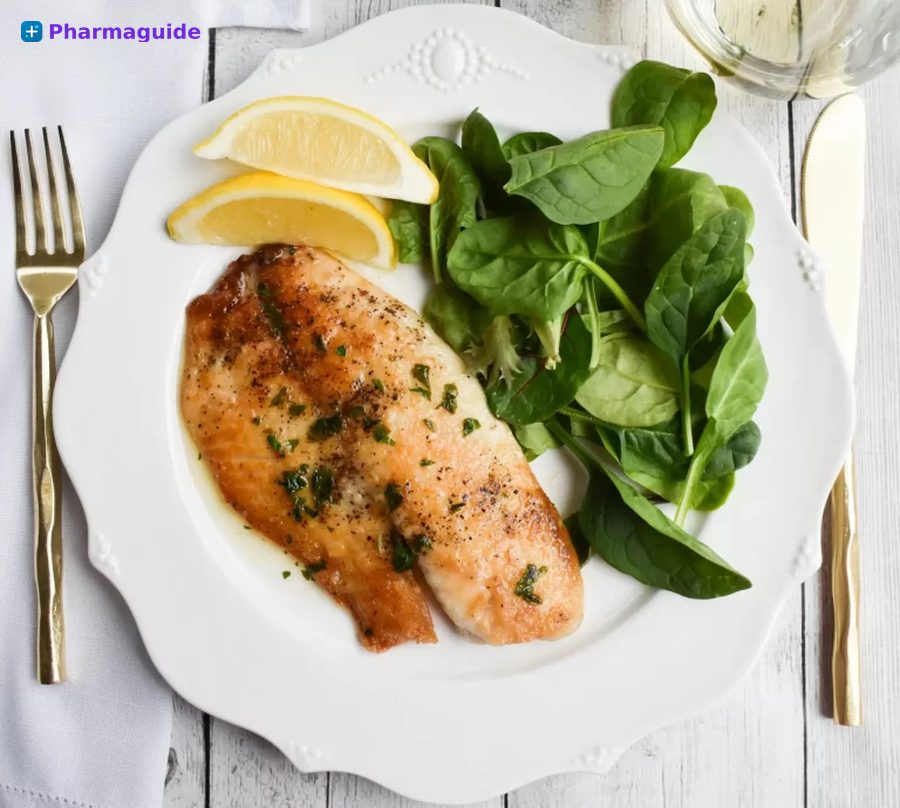
Choose fillets that are moist and firm with no strong odour, and whole fish with clear eyes and bright red gills. Frozen is a perfectly good option — it is usually frozen soon after harvest and can be fresher than a "fresh" fish that has travelled for days. In the kitchen, it grills, bakes, steams and pan-fries well, and it takes marinades happily; tandoori-style spices, ajwain and lemon all suit its mild flesh. Frying adds considerable fat and calories, so the cooking method matters as much as the fish itself. Pairing it with healthy fats from plant sources — for example the monounsaturated fats discussed in our avocado in urdu article — is another way to round out a meal in which the fish itself is very lean. Most general dietary guidance suggests eating fish about twice a week as part of a varied diet, and this fish can comfortably be one of those meals.
The Bottom Line
Tilapia is an affordable, lean, low-mercury source of high-quality protein with a mild taste that suits almost everyone, including children and cautious fish-eaters. Its omega-3 content is low compared with oily fish, and farming standards vary between producers, so it works best as part of a varied pattern of eating rather than as a nutritional hero. Bought fresh from a reliable source and cooked well, it is a perfectly sensible regular choice.
Disclaimer
This article is for general information only and is not a substitute for professional medical or dietary advice. If you have a medical condition, are pregnant, or have been given specific dietary guidance, consult a registered medical practitioner in Pakistan about your own situation. In an emergency, call Rescue 1122.