High-Protein Foods: The Best Protein Sources for Every Diet
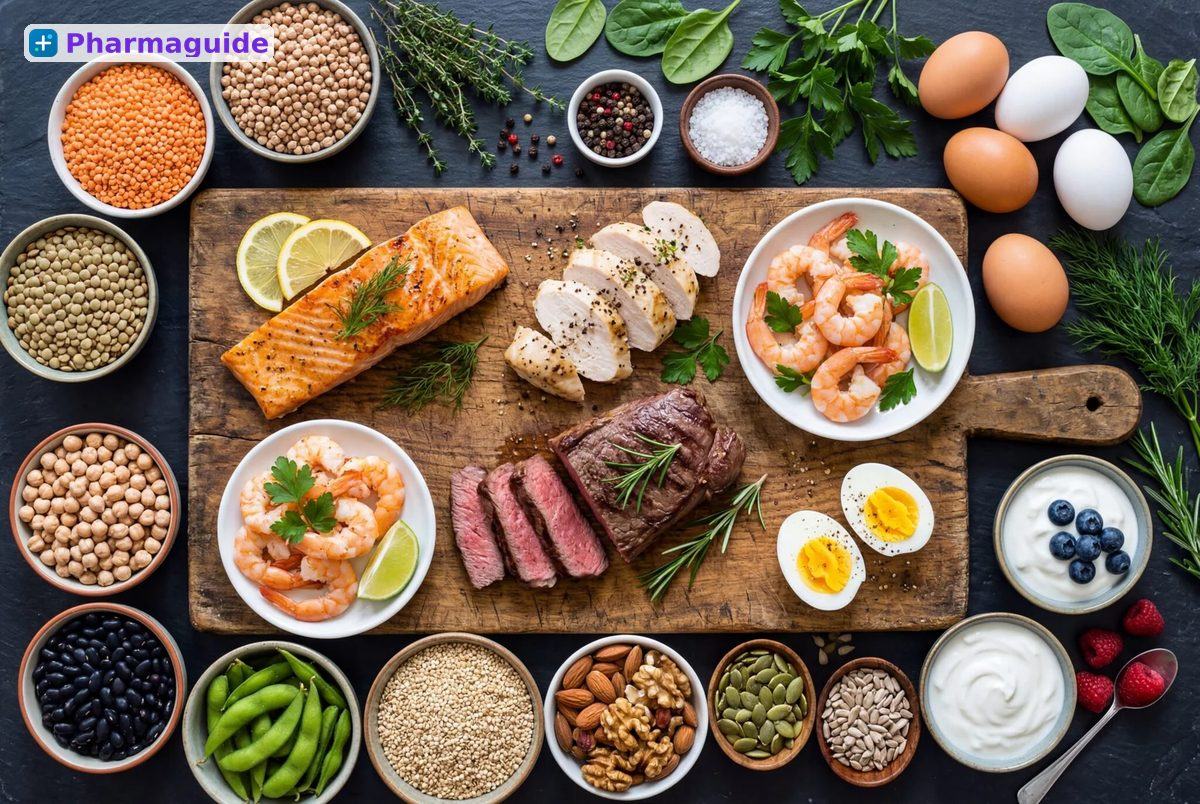
Protein is the nutrient your body uses to build and repair muscle, skin, hair, enzymes and immune cells. Whether your goal is staying full for longer, supporting exercise, or simply eating a balanced diet, knowing which high protein foods to choose makes meal planning much easier. The good news is that protein-rich options exist for every budget and every style of eating, from eggs and lentils to chicken, fish and dairy.
Note: This article is for general information only and is not medical advice. Always consult a qualified doctor or pharmacist about your own situation.
Why Protein Matters
Unlike fat and carbohydrate, the body does not store protein for later use, so a regular daily intake matters. Protein also digests slowly, which is why protein-rich meals tend to keep you satisfied for longer than meals built mostly on refined starch. During illness, after surgery and in older age, adequate protein helps the body repair tissue and maintain strength. Children and teenagers need enough protein for growth, and pregnant women need somewhat more than usual.
How Much Protein Do You Generally Need?
Standard reference guidance for healthy adults is around 0.8 grams of protein per kilogram of body weight per day — roughly 55–60 grams daily for a 70 kg adult. People who are very active, building muscle, recovering from illness or in older age groups are often advised to aim higher, commonly in the range of 1.0–1.6 g/kg, but individual needs vary a lot. Rather than counting every gram, most people do well by including a clear protein source at each meal and choosing high protein foods for snacks instead of empty calories.
Animal-Based High Protein Foods
Animal foods provide "complete" protein, meaning they contain all the essential amino acids in useful proportions. Approximate protein contents are:
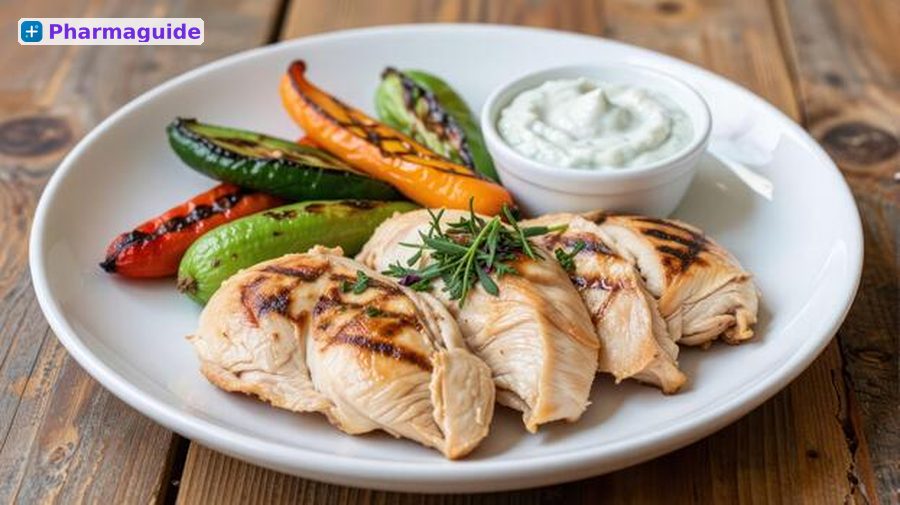
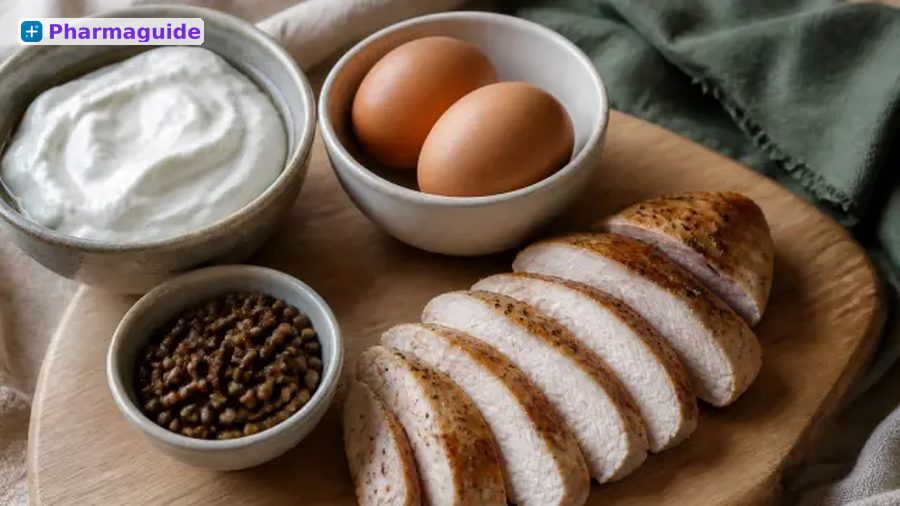
- Chicken breast: about 30 g protein per 100 g cooked
- Eggs: about 6 g protein per large egg
- Fish: roughly 20–25 g per 100 g, depending on the type
- Beef and mutton: about 25–28 g per 100 g cooked, but higher in saturated fat
- Milk: about 3.3 g per 100 ml; a glass gives roughly 8 g
- Greek yogurt: about 9–10 g per 100 g — roughly double regular yogurt. Our guide to greek yogurt covers its benefits and uses in more detail.
- Cottage cheese and paneer: about 11–18 g per 100 g depending on style
Plant-Based High Protein Foods
Plant proteins are affordable, widely available in Pakistan, and come with fibre and other nutrients. Most are slightly lower in one or two amino acids, but eating a variety across the day covers this easily:
- Lentils (daal): about 9 g protein per 100 g cooked
- Chickpeas and beans: about 8–9 g per 100 g cooked
- Soybeans and tofu: soy is the standout plant protein, at roughly 16–18 g per 100 g for soybeans
- Peanuts and peanut butter: about 25 g per 100 g, though calorie-dense
- Seeds: pumpkin, sunflower and chia seeds provide roughly 5–7 g per small handful alongside healthy fats. Read more about chia seeds in urdu and how they are used locally.
- Whole grains: oats and whole wheat contribute modest amounts that add up across the day
Building High Protein Meals Without Fuss
You do not need expensive powders or imported products. A day built on familiar foods can easily meet most people's needs: eggs or yogurt at breakfast, daal or chicken with roti at lunch, a handful of roasted chickpeas or nuts as a snack, and fish, beans or paneer at dinner. Protein powders and bars can be convenient, but they are supplements to a normal diet, not a requirement, and whole foods usually offer better value and a wider range of nutrients.
Protein on a Budget
High protein eating does not have to be expensive. In Pakistan, some of the cheapest protein sources are also the most traditional: lentils and other daals, chickpeas, dried beans, eggs and milk deliver far more protein per rupee than imported powders or processed "protein" snacks. Meat and fish are valuable but pricier; using them in smaller amounts stretched across a dish — a chicken curry shared by the family, or fish served with daal and vegetables — keeps both cost and nutrition in balance. Planning two or three meatless, legume-based meals a week is good for the wallet and for variety.
Who Should Be Careful With Protein?
More is not always better. Very high protein intakes over long periods have not been well studied, and excess protein usually means excess calories. Two groups should take specific advice:
- People with kidney disease are often advised to limit or carefully manage protein intake. If you have kidney problems, follow your own doctor's protein advice rather than general guidance like this article.
- People with gout may need to limit certain high-purine protein foods such as red meat and some seafood.
- Anyone with liver disease or another long-term condition should discuss major diet changes with their doctor first.
Common Questions
Is a high protein diet good for weight loss?
Protein helps many people feel full, which can make eating less overall easier. It is the total diet and calorie balance that drives weight change, not protein alone.
Can you eat too much protein in one meal?
The body uses protein from a meal over several hours. Spreading intake across the day is sensible, but there is no need to obsess over exact timing for general health.
Disclaimer
This article is for general information only and is not a substitute for professional medical or dietary advice. Protein needs differ with age, health, activity and medical conditions such as kidney disease. Always consult a registered medical practitioner or qualified dietitian in Pakistan about your own situation, and in an emergency call Rescue 1122.