Skinoren Cream: Uses, Side Effects, Dosage and Precautions
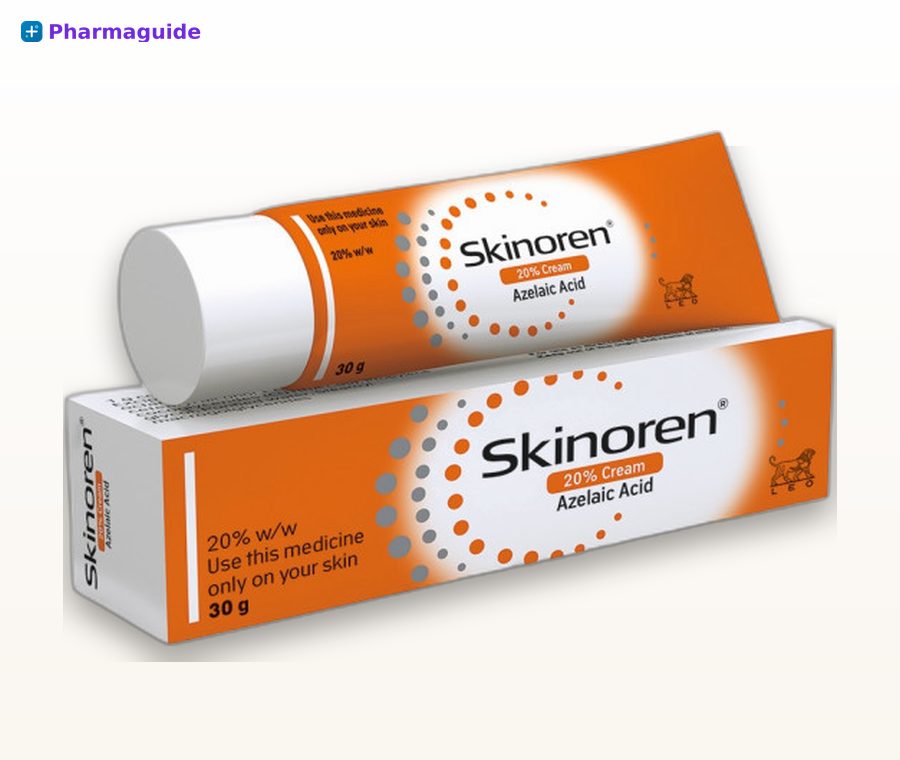
Dark spots after pimples, uneven skin tone and melasma are very common concerns in Pakistan's sunny climate, and skinoren cream uses is a frequent search among people looking for a gentle, non-steroid option. Skinoren is a brand of azelaic acid cream, a well-established skin treatment used for acne and pigmentation. This guide explains what Skinoren is, what it is used for, how it is generally applied according to standard references, and the side effects and precautions to keep in mind.
This article is for general information only and is not medical advice. Skin conditions can look similar but need different treatment, so a dermatologist's opinion matters.
What is Skinoren?
Skinoren contains the active ingredient azelaic acid, commonly in a 20% cream formulation. Azelaic acid is a naturally occurring acid (also found in grains such as wheat and barley) that works on the skin in several ways: it reduces the growth of acne-causing bacteria, helps unblock pores by normalising skin cell turnover, calms inflammation, and gently reduces excess pigment production, which is why it is used both for acne and for dark patches. Unlike steroid creams, Skinoren does not thin the skin, and unlike some strong bleaching agents it is generally considered suitable for longer-term use under medical guidance.

Skinoren Cream Uses
According to standard references and product leaflets, skinoren cream uses commonly include:
- Mild to moderate acne — pimples, blackheads and inflamed spots
- Post-acne dark marks (post-inflammatory hyperpigmentation)
- Melasma — brown or grey-brown patches, often on the cheeks, forehead and upper lip
- Uneven skin tone and dullness linked with pigmentation
- Rosacea-related redness and spots, in some formulations and cases as advised by a dermatologist
Results with azelaic acid are gradual. Leaflets and dermatology references typically describe visible improvement over several weeks of regular use — often four to eight weeks for acne and longer for melasma — rather than overnight change. People interested in pigmentation care also sometimes read about niacinamide serum, a different ingredient often used in skincare routines; a dermatologist can advise on combining ingredients safely.
How to Apply — General Information
The application information below is general information found in standard references and product leaflets — the routine your doctor prescribes for you comes first and may differ. Leaflets commonly describe applying a thin layer of the cream to clean, dry skin twice daily (morning and evening), using roughly a pea-to-fingertip amount for the face, and gently rubbing it in. The cream is for external use only and should be kept away from the eyes, lips and inside of the nose; if it accidentally gets into the eyes, standard advice is to rinse with plenty of water.
Because azelaic acid can make skin more sun-sensitive in daily life, dermatologists commonly pair it with daytime sunscreen use — an especially important point in Pakistan, where strong sun can worsen melasma. Introducing the cream gradually, for example once daily at first if the skin feels sensitive, is a commonly described approach in patient leaflets.
Side Effects of Skinoren
Skinoren is generally well tolerated, but local skin reactions are common, especially in the first weeks. Effects described in product leaflets include:
- Mild burning, stinging or tingling after application
- Itching, redness or dryness at the application site
- Light peeling or flaking
- Temporary worsening of skin sensitivity
These effects often settle as the skin adjusts. However, anyone who develops severe burning, swelling, blistering, a spreading rash, or signs of allergy should stop using the product and seek medical advice. Very rarely, azelaic acid has been associated with lightening of skin beyond the treated area or worsening asthma symptoms — another reason unusual reactions should be discussed with a doctor.
Precautions and Warnings
- Tell the doctor about any allergy to azelaic acid or other cream ingredients, and about eczema or very sensitive skin.
- Avoid applying the cream on broken, cut or sunburnt skin unless a doctor advises it.
- Be careful when combining with other strong skincare products such as harsh scrubs, alcohol-based toners or other acne treatments, as irritation can increase; a dermatologist can help sequence products.
- During pregnancy and breastfeeding, skin treatments should only be used after discussing with a doctor, even though azelaic acid is generally considered low risk.
- Keep the tube away from children, and do not share prescription creams with others — a cream that suits one person's skin may not suit another's.
- Protect treated skin from strong sunlight and use sun protection as advised, particularly when treating melasma.
Setting Realistic Expectations
One of the most common reasons people stop azelaic acid too early is expecting fairness-cream speed. Skinoren works on acne bacteria, blocked pores and pigment production at a cellular level, and these processes change slowly. Dermatology references advise judging the treatment after consistent use over several weeks, not days. Photographs taken in the same light every few weeks can help track gradual progress objectively. It is also normal for existing pigmentation to look more obvious in summer, because sunlight darkens melasma quickly — which is why sun protection is treated as part of the treatment itself, not an optional extra. Makeup and gentle moisturisers can generally be used once the cream has absorbed, but harsh homemade remedies such as lemon juice or strong bleaching creams can damage the skin barrier and worsen pigmentation, so they are best avoided.
Storage and Handling
Standard advice is to store the cream at room temperature, keep the cap tightly closed, and not use it after the expiry date printed on the tube.
See full details on the Skinoren medicine page.
Disclaimer
This article about skinoren cream uses is for general information only and is not medical advice. Pigmentation and acne have many causes, and correct diagnosis leads to correct treatment. Please consult a registered medical practitioner or dermatologist in Pakistan for advice about your own skin.