Flax Seeds in Urdu — Benefits, Uses, Nutrition and Side Effects

If you have seen alsi seeds in a desi grocery store and wondered about flax seeds in urdu, this guide is for you. Flax seeds have become popular in Pakistan for their fibre, healthy fats and plant protein, and they are easy to add to everyday food. This article gives the flax seeds meaning in Urdu, their nutrition profile, commonly discussed benefits, simple ways people use them in the diet, and the cautions worth knowing.
This article is for general information only and is not medical or dietary advice for any individual. For personal health or diet concerns, please consult a doctor or a qualified dietitian.
Flax Seeds in Urdu: Name and Meaning
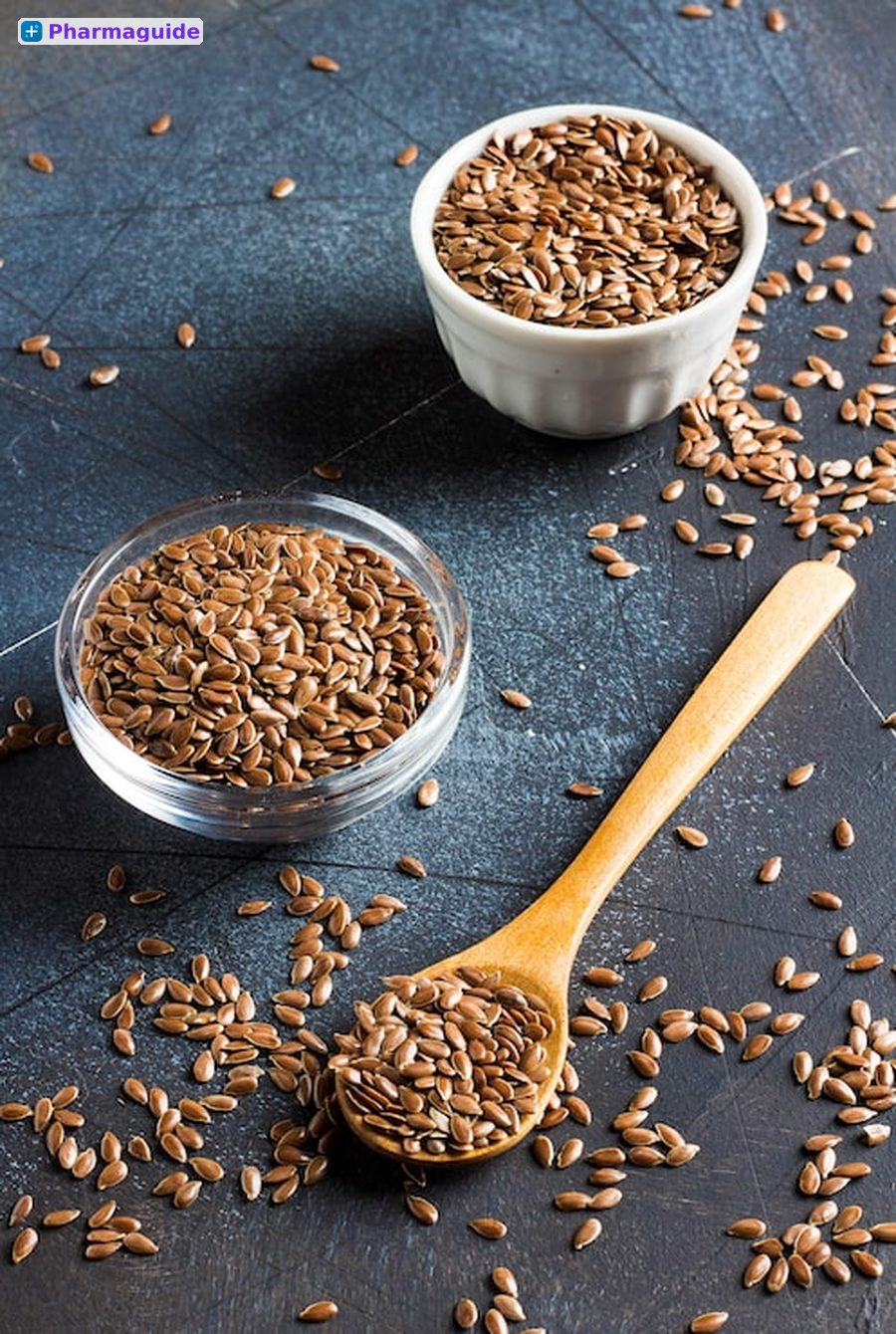
Flax seeds in Urdu are called السی کے بیج (alsi ke beej), and the plant itself is known as السی (alsi). The small, brown or golden seeds come from the flax plant, the same plant whose fibres have traditionally been used to make linen cloth. In Pakistani markets, alsi is sold as whole seeds, ground powder and cold-pressed alsi oil.
A frequent mix-up: flax seeds are not the same as chia seeds. Our companion guide on chia seeds in Urdu explains that topic in detail; the short difference is covered below.
Nutrition in Flax Seeds
Flax seeds are nutrient-dense for their size. In general terms, they are known for:
- ALA omega-3 fatty acids — a plant-based omega-3 that makes flax one of the richest vegetarian sources of this fat
- Fibre — both soluble and insoluble fibre, which supports digestion
- Lignans — plant compounds with antioxidant properties, present in unusually high amounts in flax
- Plant protein, along with magnesium, phosphorus and B vitamins in smaller amounts
Roughly, two tablespoons of ground flax seeds provide around 4 grams of fibre, as shown on typical product nutrition labels. Whole seeds can pass through the gut partly undigested, so ground flax is generally considered the better-absorbed form.
Commonly Discussed Benefits of Flax Seeds
Research on flax seeds is ongoing, and benefits are best described modestly. In general nutrition discussions, flax seeds are associated with:
- Supporting digestive regularity because of their fibre content
- Helping people feel full for longer, which some find useful in weight-management eating patterns
- Contributing plant omega-3 fats to diets that include little or no fish
- Modest supportive effects on cholesterol levels when used as part of an overall balanced diet, according to several clinical studies
Flax seeds are a food, not a medicine — they do not treat or cure any disease, and they are not a replacement for prescribed treatment for conditions such as diabetes, cholesterol problems or hormonal disorders.

How People Use Flax Seeds in the Diet
Common, simple ways flax seeds are used in Pakistani homes include:
- Ground and stirred into yoghurt, smoothies, lassi or oatmeal
- Mixed into roti or paratha dough, or sprinkled over salads and raita
- Added to homemade granola, baking and traditional panjiri-style mixtures
- Flaxseed oil used in salad dressings (it is not suited to high-heat frying)
Nutrition references commonly mention one to two tablespoons of ground flax per day as a typical food portion for adults; personal needs vary, and anyone with a medical condition should discuss diet changes with their doctor or dietitian. Ground flax is best stored in an airtight container in the refrigerator, because its natural oils can go rancid at room temperature.
Flax Seeds vs Chia Seeds: The Basic Difference
Both are small, fibre-rich seeds, but they differ: flax seeds (السی) are flat, brown or golden, and must be ground for best absorption, while chia seeds (چیا) swell into a gel in water and can be eaten whole. Flax is richer in lignans; chia absorbs more water. Taste, price and availability in local markets also differ, so many people simply use whichever suits their routine.
Side Effects and Cautions
- Taking a lot of flax without enough water can cause bloating, gas or constipation; fibre should be increased gradually with fluids
- Very large amounts of raw flax are not advised; normal food portions are the standard use
- Flax can slow the absorption of some medicines taken at the same time, so a gap of an hour or two is a common general precaution mentioned in references
- People who are pregnant, breastfeeding, or preparing for surgery, and those with hormone-sensitive conditions, should discuss flax use with their doctor first
- Allergy to flax is uncommon but possible; stop and seek advice if unusual symptoms appear
Frequently Asked Questions
What are flax seeds called in Urdu?
Flax seeds in Urdu are السی کے بیج (alsi ke beej). The flax plant itself is called السی, and its oil is known as السی کا تیل.
Should flax seeds be eaten whole or ground?
Ground flax seeds are generally better absorbed, because whole seeds can pass through the digestive system intact. You can buy them ground or grind small batches at home and refrigerate them.
Are flax seeds good for weight loss?
Their fibre helps with fullness, which can support a balanced eating plan, but no single food causes weight loss by itself. Lasting results come from the overall diet and activity pattern.
Can flax seeds be taken with medicines?
Because fibre can affect absorption, references commonly suggest keeping a gap between flax seeds and medicines. If you take regular medication, confirm the timing with your doctor or pharmacist.
Disclaimer
This article about flax seeds in Urdu is educational information about a food item and is not medical or dietary advice for any individual. Foods affect people differently, especially during pregnancy or alongside medicines. Please consult a registered medical practitioner or qualified dietitian in Pakistan for guidance suited to your personal situation.