Celbex Tablet: Uses, Side Effects, Dosage and Precautions
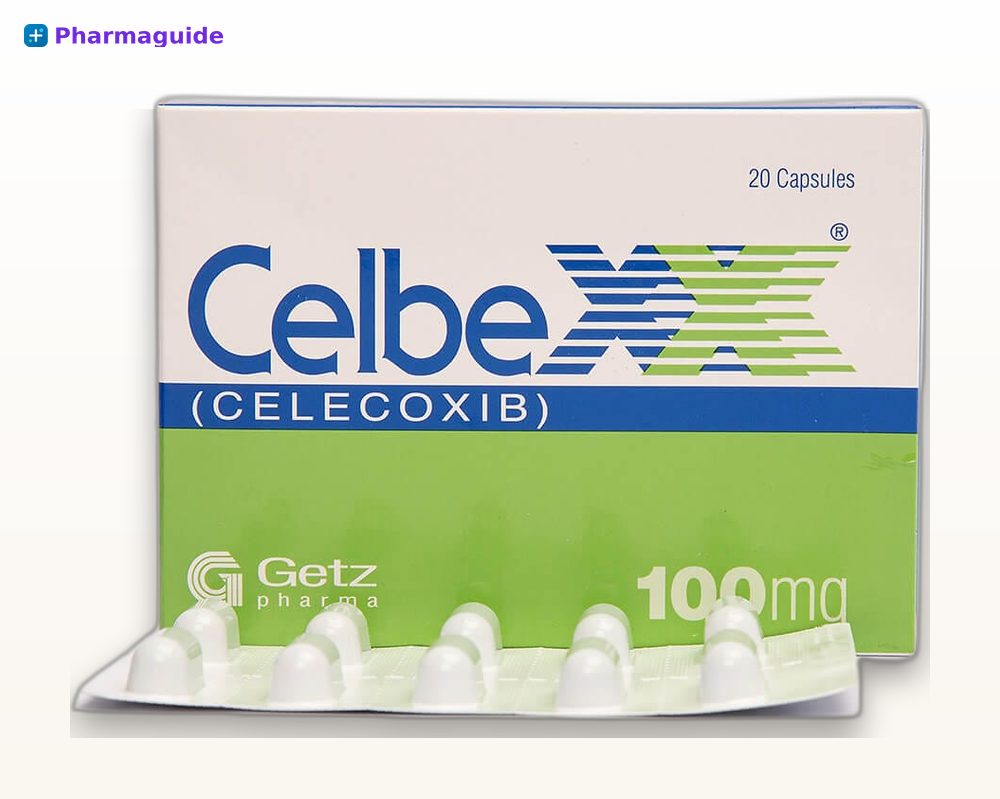
Joint pain, back pain and swelling can make daily life difficult, and many people in Pakistan come across celbex tablet uses while looking for information about pain relief medicines. Celbex is a brand of celecoxib, a pain-relieving and anti-inflammatory medicine that belongs to a group called COX-2 selective NSAIDs. This guide explains what Celbex is, what it is commonly prescribed for, how it is generally used according to standard references, and the side effects and precautions worth knowing.
This article is for general information only and is not medical advice. Always follow the guidance of your own doctor or pharmacist.
What is Celbex?
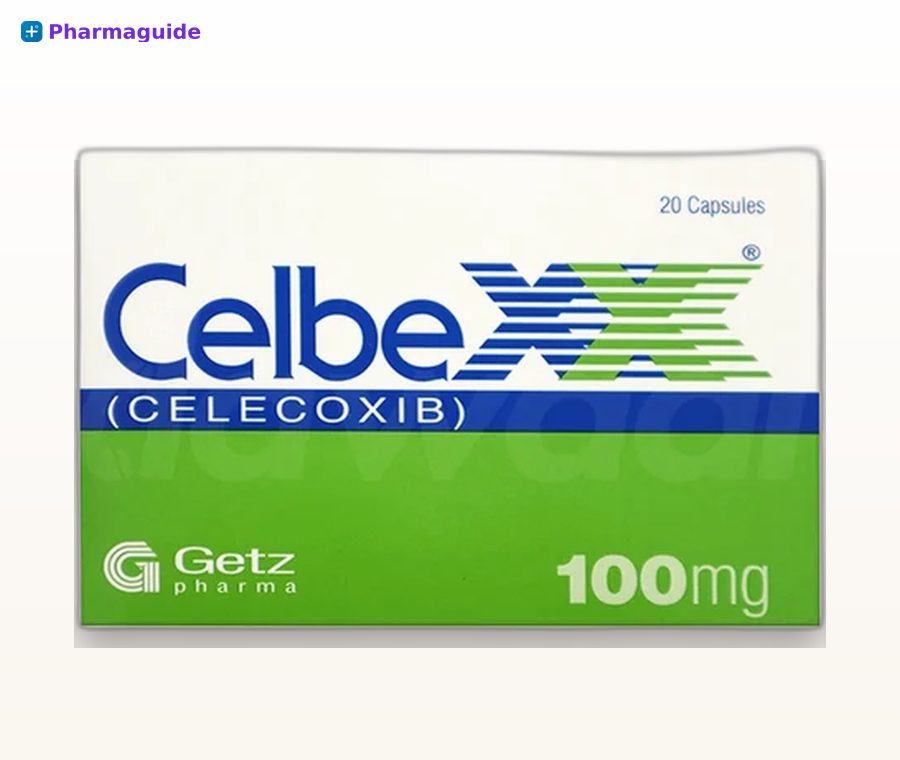
Celbex contains the active ingredient celecoxib. Celecoxib works by blocking an enzyme in the body called COX-2, which is involved in producing substances that cause pain, swelling and inflammation. Because it targets COX-2 more selectively than older painkillers such as diclofenac or ibuprofen, celecoxib is often described as gentler on the stomach — although it still carries important risks that are explained below. It is a prescription medicine in Pakistan and is available in different strengths, with the exact strength chosen by the doctor according to the condition being treated.

Celbex Tablet Uses
According to standard references and product leaflets, celbex tablet uses commonly include relief of pain and inflammation in conditions such as:
- Osteoarthritis — pain and stiffness in joints such as knees, hips and hands
- Rheumatoid arthritis — long-term inflammatory joint disease
- Ankylosing spondylitis — inflammation affecting the spine
- Short-term pain after dental procedures or minor surgery
- Acute musculoskeletal pain, such as sprains and back pain
- Painful periods (dysmenorrhoea) in some cases
People comparing pain relief options sometimes also read about Synflex tablet uses or Caflam tablet uses, which contain different active ingredients. Different painkillers suit different people, and a doctor decides which one is appropriate after considering the person's heart, kidney and stomach health.
Dosage — General Information
The dosage information below is general information found in standard references and product leaflets — the dose your doctor prescribes for you comes first and may differ. Celecoxib is commonly described in references as a once or twice daily medicine depending on the condition and strength, usually taken in the lowest effective dose for the shortest possible time. For osteoarthritis, leaflets commonly describe 200 mg per day taken as a single dose or divided into two doses; for rheumatoid arthritis, 100 mg to 200 mg twice daily is commonly referenced. These figures are provided only so readers can recognise typical ranges in leaflets — they are not a recommendation for any individual.
Celecoxib can generally be taken with or without food, and taking it with food may be easier on the stomach. If a dose is missed, standard leaflet advice is usually to take it when remembered unless it is nearly time for the next dose. Never take extra doses to make up for a missed one, and do not combine Celbex with other NSAID painkillers unless a doctor has specifically advised it.
Side Effects of Celbex
Like all medicines, Celbex can cause side effects, although not everyone gets them. Common side effects described in product leaflets include:
- Stomach pain, indigestion, wind or diarrhoea
- Headache and dizziness
- Swelling of the ankles or feet due to fluid retention
- Raised blood pressure
- Skin rash or itching
- Flu-like symptoms and sinus irritation
Less common but serious effects include stomach or intestinal bleeding, chest pain, breathlessness, sudden weakness, severe skin reactions and signs of kidney problems such as very reduced urine. Anyone experiencing chest pain, black stools, vomiting blood, severe breathlessness or swelling of the face and lips should seek emergency medical help immediately.
Precautions and Warnings
Heart caution: celecoxib and other NSAIDs can increase the risk of heart attack and stroke, especially at higher doses, with long-term use, or in people who already have heart disease. People with a history of heart attack, heart failure, stroke or uncontrolled high blood pressure should discuss this carefully with their doctor before any use.
Kidney caution: NSAIDs can reduce kidney function, particularly in older people, people with existing kidney disease, dehydration, or those taking certain blood pressure medicines or diuretics. Kidney function may need monitoring during treatment.
Other important precautions from standard leaflets include:
- Tell the doctor about any allergy to celecoxib, sulfonamides ("sulfa" drugs), aspirin or other NSAIDs, and any history of asthma worsened by painkillers.
- Tell the doctor about stomach ulcers, liver disease, or bleeding problems.
- Celecoxib is generally avoided in later pregnancy and during breastfeeding unless a doctor advises otherwise.
- Inform the doctor about all other medicines, including blood thinners such as warfarin, blood pressure medicines, lithium and certain antidepressants, because interactions are possible.
- Avoid alcohol, which can add to stomach irritation.
Celbex in Older Adults and Long-Term Use
Arthritis is most common in older age, so many Celbex users are above 60. Standard references advise particular care in this group, because the risks of stomach bleeding, kidney problems and raised blood pressure all increase with age. For long-term treatment, doctors commonly review the need for the medicine from time to time, check blood pressure and kidney function, and sometimes prescribe a stomach-protecting medicine alongside it. Readers should not continue repeat courses for months without such a review, even if the pain relief feels helpful, because some risks build up quietly without early symptoms.
Storage and Handling
Standard leaflet advice is to store the tablets at room temperature away from moisture and direct sunlight, and to keep all medicines out of the reach of children. Do not use tablets after their expiry date.
See full details on the Celbex medicine page.
Disclaimer
This article about celbex tablet uses is for general information only and is not medical advice. Pain-relieving medicines are not suitable for everyone, and the right choice depends on your personal medical history. Please consult a registered medical practitioner in Pakistan before starting, stopping or changing any medicine.